Intro
Most supply chain executives look at their website traffic and feel disappointed. They compare their numbers to consumer retail brands or software companies and assume their digital marketing strategy is failing. B2B procurement does not work like consumer retail. You do not need a million visitors to have a highly profitable website. You just need a few dozen procurement managers who have an immediate need for your specific manufacturing capabilities.
Search engine optimization in the supply chain sector is fundamentally about capturing high intent traffic. When an engineer or sourcing director goes to a search engine, they are usually trying to solve a very specific operational headache. They are looking for exact materials, regional redundancies, or compliance certifications. Your website needs to reflect the reality of how these buyers search.
If your pages are filled with generic corporate speak about synergy and global solutions, you are going to lose to competitors who simply list exactly what they do and where they do it. The sales cycle in industrial manufacturing can take up to eighteen months. A search query is usually step one in that long process. You have to answer their immediate technical question before you can ever hope to get them on a sales call.
Map Content to Regional Sourcing Realities
Global trade shifts constantly. Tariffs, port strikes, and geopolitical changes force companies to relocate their sourcing on short notice. Procurement teams adjust their search queries based on these macroeconomic shifts. If a company wants to move electronics manufacturing out of a traditional hub, they start searching for established capabilities in alternative regions. This is where your SEO strategy needs to align with global logistics.
You need dedicated landing pages for specific regional operations. If your company operates multiple facilities around the world, a single page with a map and some corporate addresses is entirely insufficient. You need to build out detailed pages for each facility that describe the exact production capabilities, certifications, and logistical advantages of that specific site. Search engines look for this specificity to match users with local solutions.
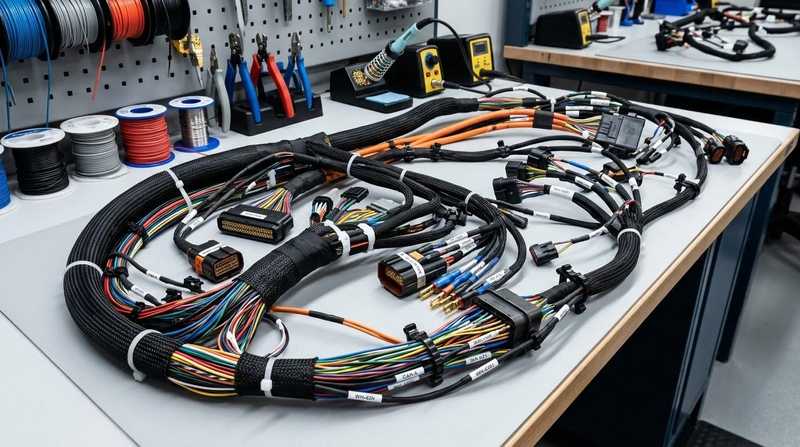
Consider how an electronics buyer operates when tasked with finding a new supplier in Southeast Asia. They will type highly specific queries into search engines to find exact matches for their production needs. If your company manufactures a wiring harness in thailand, you need a dedicated page optimized around that exact capability and location. That page should detail your monthly production capacity, proximity to major shipping ports, and quality control standards. This matches the exact intent of the buyer and gives search engines clear signals about what you actually do.
Publish Utility Driven Technical Content
One of the biggest mistakes supply chain companies make is producing content that nobody actually wants to read. We see endless corporate blog posts about the future of logistics or vague thoughts on innovation in manufacturing. Engineers and sourcing directors do not care about your corporate thoughts on innovation. They need technical data to do their jobs.
The All-in-One Platform for Effective SEO
Behind every successful business is a strong SEO campaign. But with countless optimization tools and techniques out there to choose from, it can be hard to know where to start. Well, fear no more, cause I've got just the thing to help. Presenting the Ranktracker all-in-one platform for effective SEO
We have finally opened registration to Ranktracker absolutely free!
Create a free accountOr Sign in using your credentials
The most effective way to rank in this industry is to publish reference material. Buyers search for specifications, weight tolerances, material properties, and compatibility charts. When you provide this information freely and clearly, your site becomes a trusted resource. People bookmark it. Other industry websites link to it. That natural linking behavior builds authority for your entire domain, which lifts the rankings of your core product pages.
Think about the daily tasks of the people you actually want to sell to. An electrical engineer drafting a new product schematic might need to quickly reference a wire fill chart to ensure their conduit design complies with safety standards. If your website provides the most accurate and easy to read version of that chart, that engineer lands on your site. They get familiar with your brand name. When it comes time to submit a vendor request to their purchasing department, your company is already a known entity. Stop trying to be a thought leader and start being a useful utility.
Structure Product Pages for Intent
Catalog management is often a nightmare for industrial suppliers. Companies usually organize their digital catalogs the way their internal ERP system is organized. That makes perfect sense to your warehouse team but it makes zero sense to a new buyer trying to navigate your website.
Search engines need structure and context to understand what you sell. If you offer thousands of components, your category pages need clear text that explains the application and specifications of those components. A page full of part numbers with no descriptive text will never rank well. You need to write operational descriptions that use the exact terminology your buyers use on the factory floor. Avoid internal jargon that only your employees understand.
This also applies directly to geographic diversification and risk management. Sourcing teams want backup suppliers in stable regions with strong tech infrastructures. A buyer might specifically look for a wire harness in south korea to secure a high quality alternative for their automotive production line. If your product pages do not explicitly state the country of origin and the specific manufacturing standards followed in that facility, you will completely miss out on that targeted traffic. Make sure every product page includes the granular details that matter to a procurement officer.
Fix the Technical Foundation
Content is completely useless if your website is technically broken. Supply chain websites are notoriously outdated. They frequently run on legacy content management systems, load slowly, and break entirely on mobile devices. Search engines actively penalize sites that provide a poor user experience.
You do not need a flashy design with complex video backgrounds or heavy animations. In fact, those usually get in the way of a buyer trying to find a spec sheet. You just need a site that loads fast and is easy to navigate. Compress your high resolution product images. Clean up your site architecture so that any product can be reached in three clicks or less from the homepage.
The All-in-One Platform for Effective SEO
Behind every successful business is a strong SEO campaign. But with countless optimization tools and techniques out there to choose from, it can be hard to know where to start. Well, fear no more, cause I've got just the thing to help. Presenting the Ranktracker all-in-one platform for effective SEO
We have finally opened registration to Ranktracker absolutely free!
Create a free accountOr Sign in using your credentials
Pay attention to how you handle PDF documents. Many manufacturers bury their most valuable technical specifications in unoptimized PDF files. While search engines can crawl PDFs, they prefer standard web pages. Take the data out of those old PDFs and build proper HTML pages for your specifications. This one structural change can drastically improve how search engines index your technical data.
Mobile optimization is also critical, even in B2B. A surprising amount of industrial sourcing starts on a phone. A plant manager walking the factory floor might realize they are running low on a critical component and do a quick search on their phone to find a backup supplier. If your site takes ten seconds to load or requires them to pinch and zoom to read a specification table, they will hit the back button and go to your competitor.
Measure What Actually Matters
Forget about total page views. Do not panic if your overall organic traffic drops by a small percentage one month. In B2B supply chain SEO, you should only care about lead quality and engagement on key technical pages. Raw traffic is a vanity metric that rarely pays the bills.
Look at the conversion rates on your Request For Quote forms. Monitor how many users are downloading your technical spec sheets or interacting with your CAD files. Track the search rankings for your most profitable product categories rather than your generic blog posts. Align your marketing data with actual sales outcomes. If the sales team is getting better qualified leads and having more productive conversations, your SEO strategy is working. The goal of search optimization is revenue.