Intro
Packaging is often treated as something secondary: a box, bottle, jar, or pouch that protects what is inside. In reality, packaging influences product quality, customer trust, waste levels, transport efficiency, and even how people understand a brand’s values. A well-designed package does not simply hold a product. It helps preserve it, communicate essential information, and reduce unnecessary environmental impact.
As consumers become more aware of sustainability and product safety, packaging choices are receiving more attention. Businesses, makers, and product developers are now expected to think beyond appearance and cost. They must also consider durability, recyclability, reusability, material origin, and how packaging behaves after it has been used.
The Shift Toward More Thoughtful Materials
Traditional packaging has often relied on convenience. Plastic, mixed materials, and single-use formats became popular because they were lightweight, inexpensive, and easy to produce at scale. However, these advantages can come with long-term disadvantages. Some materials are difficult to recycle, some degrade into microplastics, and others require complex waste systems that are not always available.
This has encouraged interest in more thoughtful alternatives. Glass, paper-based materials, metal, compostable formats, and refill systems are all part of a wider conversation about reducing waste. None of these options is perfect in every situation. Glass can be heavier to transport, paper can require coatings, and compostable packaging may only work under specific conditions. Still, the growing focus on material choice shows that packaging is no longer judged by convenience alone.
For brands researching practical options, resources about alternative glass packaging can offer useful context within the broader discussion about packaging materials, preservation, and product presentation.
Why Glass Remains Relevant
Glass has been used for packaging for centuries, and it remains relevant because of several practical qualities. It is non-porous, does not easily interact with many contents, and can be recycled repeatedly when proper systems are available. These qualities make it suitable for food, cosmetics, wellness products, laboratory samples, oils, and other sensitive goods.
Another advantage of glass is its perceived quality. Consumers often associate glass packaging with durability and care. A glass jar or bottle can make a product feel more permanent and less disposable. This perception matters, especially in sectors where trust and product integrity are important.
At the same time, glass is not automatically the best choice for every product. Its weight can increase transport emissions, and breakage can be a concern. Responsible packaging decisions require balance. The right material depends on the product, distribution method, storage needs, target market, and end-of-life options.
Functionality Should Guide Design
Packaging design should begin with function. What does the product need in order to remain safe, stable, and easy to use? A liquid product may require controlled dispensing. A powder may need moisture protection. A cream may need a wide opening. A fragile item may require cushioning. When packaging is designed around real use, it becomes more effective and less wasteful.
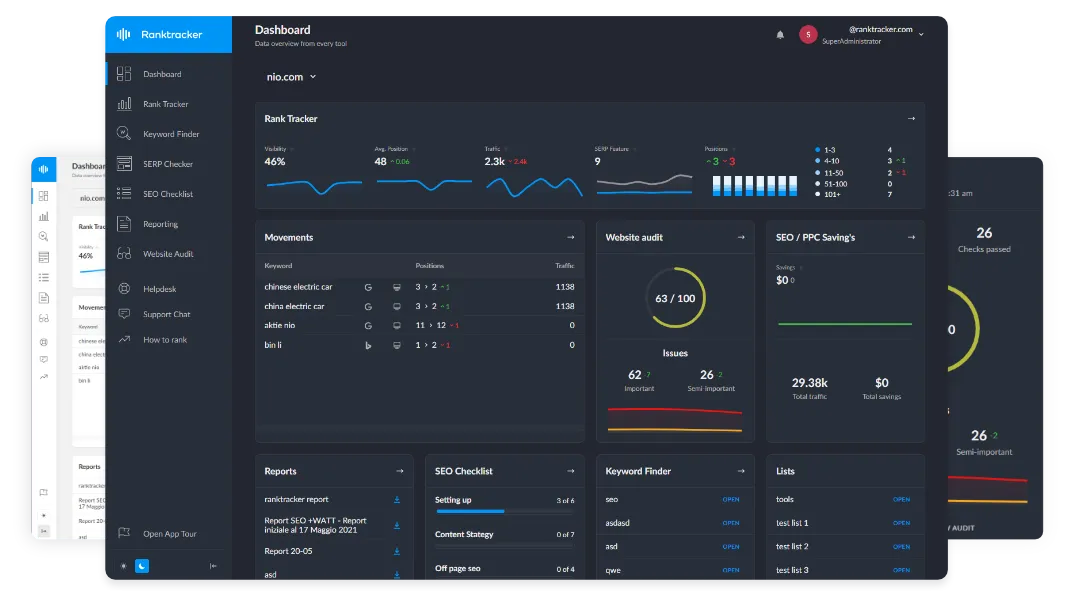
The All-in-One Platform for Effective SEO
Behind every successful business is a strong SEO campaign. But with countless optimization tools and techniques out there to choose from, it can be hard to know where to start. Well, fear no more, cause I've got just the thing to help. Presenting the Ranktracker all-in-one platform for effective SEO
We have finally opened registration to Ranktracker absolutely free!
Create a free accountOr Sign in using your credentials
This is where specific formats matter. For example, glass dropper bottles are often used for products that require careful portioning, such as oils, tinctures, serums, or concentrated liquids. The format is practical because it helps users dispense smaller amounts with greater control. In this case, the value of the packaging is not only in the material but also in the way the design supports everyday use.
Good packaging should reduce friction. It should be easy to open, easy to store, clear to label, and appropriate for the product’s shelf life. Overly complex designs may look attractive but can create recycling challenges or unnecessary production costs. Simplicity is often more sustainable than novelty.
Sustainability Is Not Just About Recycling
Recycling is important, but it is only one part of sustainable packaging. A package can be recyclable and still be inefficient if it is oversized, too heavy, or designed for unnecessary single use. A better approach considers the full life cycle: raw material extraction, manufacturing, filling, transport, use, reuse, collection, and processing.
Reusable packaging is gaining attention because it challenges the assumption that every container should be discarded after one use. Refill models, return systems, and durable containers can reduce waste when they are supported by realistic logistics. However, reuse must be convenient enough for people to adopt. A system that is environmentally promising but difficult to use may struggle in practice.
Packaging reduction is another important principle. Sometimes the most responsible choice is not replacing one material with another, but using less material overall. Smaller labels, lighter closures, concentrated formulas, and right-sized containers can all reduce impact without compromising product quality.
Clear Communication Builds Trust
Packaging also has an informational role. Labels tell people what a product is, how to use it, how to store it, and how to dispose of it. Clear communication helps prevent misuse and supports better recycling or reuse behavior.
Vague sustainability claims can damage trust. Words like “eco-friendly,” “green,” or “natural” are not very useful unless they are explained. More specific statements are better. For example, a label might state that a container is refillable, that a material is widely recyclable in certain systems, or that the product uses reduced packaging compared with a previous version.
Digital channels can support this communication. A website, QR code, or product page can explain packaging choices in more detail than a label allows. This is where online visibility and packaging responsibility can connect: people often research products before buying them, and transparent packaging information can help them make informed decisions.
The Future of Packaging Will Be Practical
The future of packaging is unlikely to be defined by one perfect material. Instead, it will depend on practical combinations of better design, responsible sourcing, refill systems, improved recycling, and honest communication. Companies that treat packaging as part of the product experience will be better prepared for changing expectations.
Thoughtful packaging does not need to be flashy. It needs to protect the product, serve the user, minimize unnecessary waste, and fit into realistic disposal or reuse systems. Whether a business chooses glass, paper, metal, refillable formats, or another option, the goal should remain the same: packaging that performs well without ignoring its wider impact.