Intro
A regional hospital system in the Midwest ran a scheduling patch through its usual change process last spring. Nothing dramatic — a routine update to how discharge times synced with the billing module. Three weeks later, someone in accounts receivable noticed a cluster of claims kicking back for mismatched timestamps. By the time IT traced it, the fix had touched insurance submissions for over four hundred patients. Nobody had done anything wrong, exactly. The update passed every test on the checklist. It just wasn't the right checklist.
That story sticks with me because it's not really about hospitals. It's about what happens when the systems quietly running the background of an organization get treated as finished products instead of living infrastructure that needs regular scrutiny.
The automation you set up two years ago is not the automation you think it is
Most companies build their first workflow automations to solve a specific, visible headache. An HR team gets tired of manually routing PTO requests. A sales ops person automates lead assignment so reps stop cherry-picking. These get built with automation tools similar to Power Automate — quick to configure, easy to hand off to whoever's willing to own it, and largely invisible once they work.
The problem is that "once they work" becomes permanent. Nobody schedules a review. The person who built it moves teams, or leaves. Meanwhile the business changes around the automation — new CRM fields, a different approval hierarchy, a merger that doubles the volume flowing through a system built for half the load. The automation keeps running exactly as designed, which is precisely the issue. It was designed for a company that no longer exists in quite that shape.
I've seen a logistics firm discover that an automated exception-routing flow had been silently misfiring for eleven months because a vendor changed an API field name. The workaround? Someone had been manually re-entering the failed cases without telling anyone, assuming it was a one-off. That's not a tooling failure. That's an organizational failure to revisit something everyone assumed was stable.
Hospitals carry the same risk with much higher stakes
Take that same pattern and put it inside a hospital's clinical and administrative stack, and the margin for error collapses. Hospital software development has typically prioritized compliance and uptime over adaptability — understandable, given that a failed deployment can mean a nurse can't pull up medication history at 2 a.m. But that same caution means legacy systems often stay in production far longer than they should, patched around rather than rebuilt, because nobody wants to be the one who breaks something load-bearing.
The result is architecture that accumulates decisions nobody remembers making. A scheduling module talks to billing through an integration built in 2016 for a vendor the hospital stopped using in 2019. It still works, mostly. Mostly is not a word you want near patient data.
What's changing, slowly, is the recognition that resilience in healthcare IT isn't about avoiding change — it's about building systems flexible enough to absorb change without needing a small miracle every time a regulation shifts or a new EHR module gets bolted on.
Why "if it's not broken" is the wrong test
Here's the thing about both scenarios: the systems weren't broken. They were working exactly as configured. That's precisely why nobody looked at them.
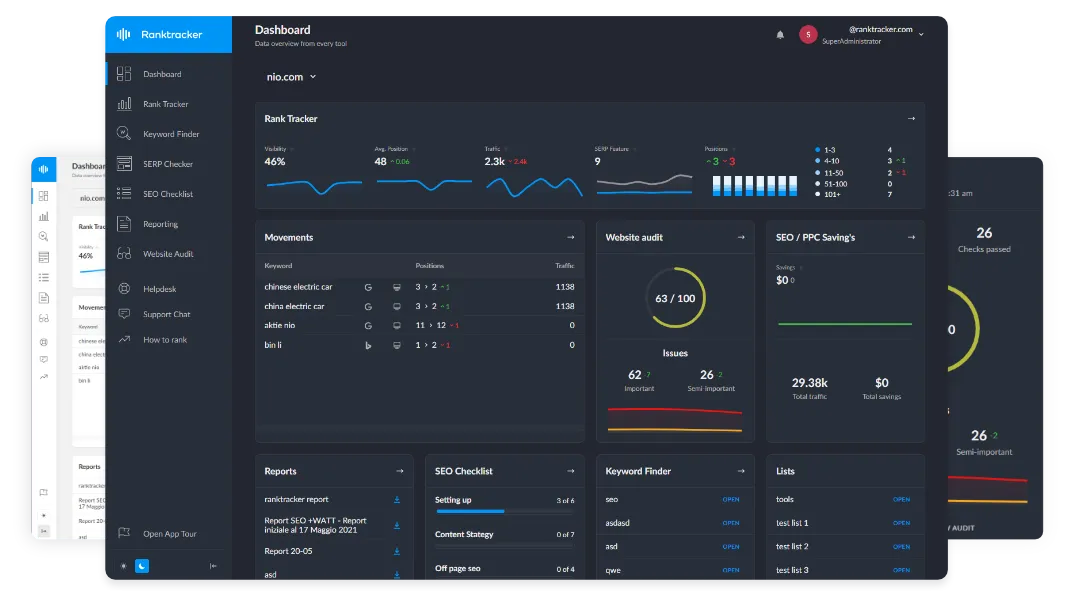
The All-in-One Platform for Effective SEO
Behind every successful business is a strong SEO campaign. But with countless optimization tools and techniques out there to choose from, it can be hard to know where to start. Well, fear no more, cause I've got just the thing to help. Presenting the Ranktracker all-in-one platform for effective SEO
We have finally opened registration to Ranktracker absolutely free!
Create a free accountOr Sign in using your credentials
Broken systems get attention by definition — someone complains, something halts, a ticket gets filed. The dangerous systems are the ones running fine on the surface while drifting quietly out of sync with what the organization actually needs. A workflow automation that still executes but routes to the wrong department. A hospital interface that still transmits data but strips a field a downstream system now depends on.
Auditing isn't glamorous, but neither is the alternative
The fix isn't complicated in concept, even if it's tedious in practice: schedule periodic reviews of anything running unattended, regardless of how well it's performed historically. Ask who owns it now. Ask what's changed upstream and downstream since it was built. Ask whether anyone would notice if it silently stopped working tomorrow.
Most organizations skip this because it feels like maintenance rather than progress, and maintenance rarely gets budget or applause. But the cost of skipping it doesn't disappear — it just waits, quietly, for the moment someone in accounts receivable notices the numbers don't add up.