Intro
Cold outreach looks very different depending on which side of the inbox you sit on.
For the sender, a pitch may represent research, prospecting, writing, and several minutes spent finding the right contact. For an editor, it is simply one more message competing with internal emails, deadlines, newsletters, PR pitches, and dozens of other requests.
That difference explains why outreach that looks perfectly reasonable to the sender can disappear without a reply.
Editors are looking for signs that the sender understands the publication, has something relevant to offer, and can communicate the idea without creating extra work.
Good outreach therefore has less to do with clever templates and more to do with making a fast credibility check easy.
Here is what an editor actually notices.
The inbox decides more than you think
Before an editor reads the pitch, they see the sender name, email address, subject line, and a short preview of the opening sentence.
The All-in-One Platform for Effective SEO
Behind every successful business is a strong SEO campaign. But with countless optimization tools and techniques out there to choose from, it can be hard to know where to start. Well, fear no more, cause I've got just the thing to help. Presenting the Ranktracker all-in-one platform for effective SEO
We have finally opened registration to Ranktracker absolutely free!
Create a free accountOr Sign in using your credentials
That first impression already answers several questions.
Is this a real person? Does the domain make sense? Is the subject relevant to the publication? Does the preview look like a personalized message or a mass email?
Sender identity matters here. The same information should remain consistent once the message is opened. A simple footer with a real name, role, company, and website gives an editor an easy way to verify the person behind the pitch.
For teams that send outreach from several accounts, an email signature generator can help keep that basic sender information consistent. It does not need to be elaborate. In fact, a clean signature is usually more convincing than a footer packed with banners, awards, icons, and promotional copy.
The editor should know who you are without having to investigate.
Why the first two lines kill so many pitches
A generic opening is easy to recognize.
“Hi, I recently discovered your amazing website and loved your content” could have been sent to almost any publication on the internet.
The All-in-One Platform for Effective SEO
Behind every successful business is a strong SEO campaign. But with countless optimization tools and techniques out there to choose from, it can be hard to know where to start. Well, fear no more, cause I've got just the thing to help. Presenting the Ranktracker all-in-one platform for effective SEO
We have finally opened registration to Ranktracker absolutely free!
Create a free accountOr Sign in using your credentials
Editors see variations of it constantly.
The same applies to messages that use the wrong name, mention an article that does not exist, or jump directly to “Can you add my link?” before giving the recipient a reason to care.
Effective outreach starts by showing that the website was selected intentionally. Our guide to building a guest post outreach strategy makes the same point: relevant prospect selection and personalized outreach matter more than simply contacting as many websites as possible.
You do not need a paragraph of praise to prove that research happened. One accurate sentence is enough.
Weak pitch
Hi,
I found your website while browsing and really enjoyed your amazing articles. I am a professional content writer and would love to contribute a high-quality guest post to your blog.
Can I send you some topics? I would also like a dofollow backlink to our site.
The message has no angle, no evidence that the sender knows the publication, and no obvious benefit for the editor.
Now compare it with this:
Better pitch
Hi Maya,
I noticed you've covered guest-post prospecting and link quality, but there is less content showing outreach from the editor's side.
Would you be interested in a practical article on how editors evaluate link-building pitches, including before-and-after email examples and a simple follow-up framework?
Happy to send an outline if the angle fits.
This version is not much longer. It simply answers the questions the editor is already asking.
Give the editor an idea, not another task
One common mistake in a link building outreach email is asking the editor to do the strategic work.
“Can I contribute something about SEO?” is not really a pitch.
The editor now has to decide which topic is suitable, check whether it has already been covered, figure out an angle, and explain what they want.
A useful pitch does that work before the email is sent.
Instead of offering a broad category, give one specific topic and one reason it belongs on that site.
For example:
Topic: outreach for link building.
Angle: how editors judge cold pitches before replying.
Format: practical guide with rewritten examples and follow-up advice.
That gives the editor something concrete to accept, reject, or adjust.
The same rule applies to a guest post pitch email. Editors rarely need another generic article on “SEO trends” or “why backlinks matter.” They are more likely to notice a useful angle that adds something their existing content does not already cover.
This becomes especially important as outreach volume grows. Our guide to scaling guest blogging and building more links shows why a repeatable process matters, but scaling prospecting should not mean sacrificing relevance.
Keep the pitch easy to scan
A cold pitch does not need to tell your professional life story.
Editors usually need five things: why you chose their site, what you want to write, what makes the angle useful, whether you can deliver it, and what you want them to do next.
That can fit into a short email.
If you have relevant published work, include one or two examples. Do not send a portfolio of twelve links.
If your professional background supports the topic, mention it in one sentence.
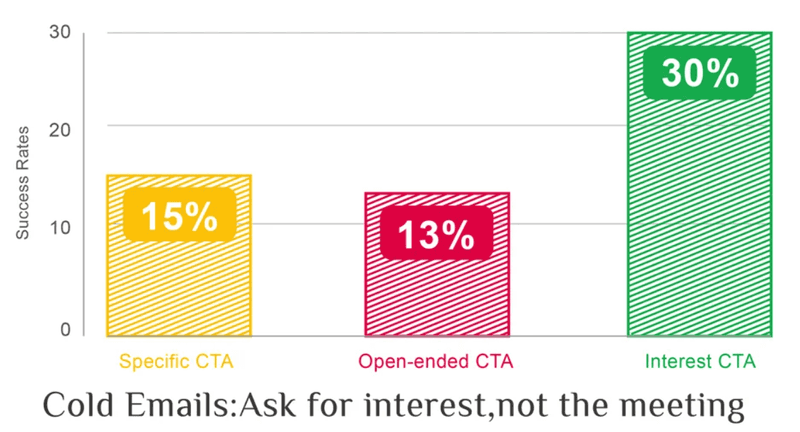
And finish with one ask.
“Would this angle be useful for your blog?” is enough.
Avoid ending with a list of questions about word count, publishing dates, backlinks, author bios, deadlines, and editorial policies before the editor has even shown interest.
The easier the decision, the easier the reply.
Trust is built outside the copy too
Good writing cannot completely compensate for a suspicious sender.
Editors often make quick background checks before agreeing to work with someone they do not know.
A real business domain is one of the simplest trust signals. An email from name@company.com is easier to connect to a legitimate organization than an unrelated free mailbox.
The technical setup matters as well.
SPF, DKIM, and DMARC help receiving mail systems verify that messages are authorized and associated with the domain they claim to come from. They also reduce the chance that legitimate outreach is treated as suspicious before an editor even sees it.
The sender name, domain, website, and signature should tell the same story.
This becomes more important as a cold outreach email campaign grows. Small inconsistencies are easy to overlook when sending ten emails manually. Across hundreds of messages, they can make legitimate outreach look careless or automated.
An editor should not have to wonder whether “Alex from BrightSEO” actually works at BrightSEO.
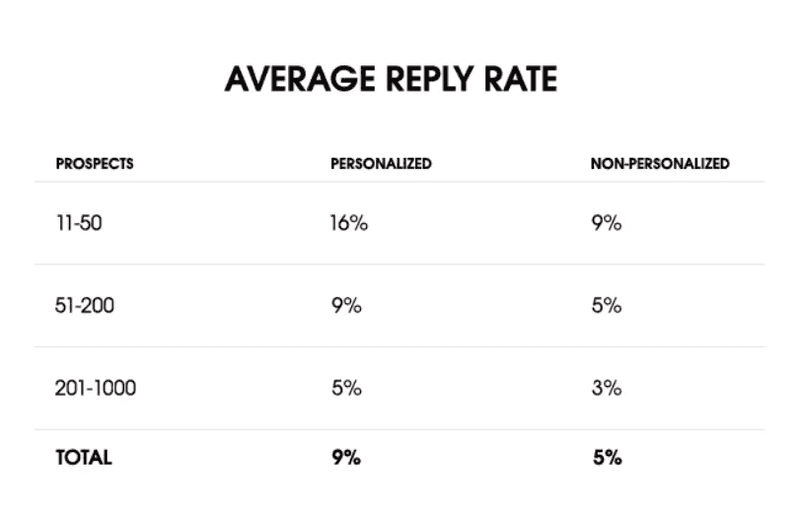
Personalize the reason, not every sentence
Personalization is often misunderstood.
It does not mean adding a paragraph about the editor's latest LinkedIn post, hometown, favorite football team, and university.
That can feel stranger than a template.
The useful type of personalization is professional and relevant to the pitch.
Show that you understand what the publication covers. Mention a related article when it genuinely connects to your idea. Check whether your proposed topic already exists. Make sure the audience is a sensible fit.
Our breakdown of why link building campaigns fail is a useful reminder that outreach is only one part of the process. Poor targeting and weak value propositions cannot be fixed by simply sending more emails.
A good test is simple.
Remove the publication's name from your email.
Could the exact same pitch be sent to 200 other blogs without changing anything?
If yes, it probably needs more work.
Follow up, but know when to stop
A missing reply is not necessarily a rejection.
Editors open messages during meetings, flag them for later, get distracted, or simply lose them under newer emails. One follow-up is normal.
The mistake is turning a pitch into a sequence of increasingly awkward reminders.
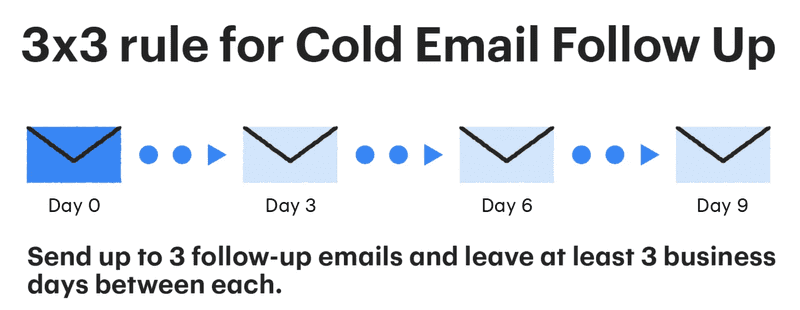
For editorial outreach, a practical rhythm is to send the original message, follow up after roughly four to seven days, and send one final note about a week later if the opportunity is important.
After that, move on.
A second attempt can make a meaningful difference. A follow-up can be extremely short:
Hi Maya,
Just bringing this idea back to the top of your inbox. I can also include a short editor-side checklist and before/after pitch examples.
Happy to send an outline if useful.
Notice what is missing: guilt, fake urgency, and “Did you see my previous three emails?”
Measure replies and placements
Open rate can help diagnose subject lines or deliverability, but it should not be the main measure of a link-building campaign.
The result you actually want happens much later.
Track reply rate first. Then separate positive replies from rejections and automatic responses.
Most importantly, track placement rate: how many pitches eventually produce a published article or backlink.
That helps reveal problems at different stages.
If delivery is good but replies are weak, the targeting or pitch probably needs work.
If replies are strong but few topics are accepted, the ideas may be too generic.
If many pitches are approved but articles rarely go live, the problem is likely after outreach — content quality, turnaround time, or failure to follow editorial requirements.
Looking at the whole funnel is more useful than celebrating an unusually high open rate.
Build a process without sounding like a process
Scaling outreach requires systems. It does not require every recipient to feel like a row in a spreadsheet.
Prospect research can be standardized. Qualification can be standardized. Follow-up reminders can be standardized. Sender details and email formatting can be standardized.
A team may also use Stripo.email as part of its broader email creation process when consistency across messages matters.
What should not disappear is the reason one particular publication is receiving one particular pitch.
Before sending, check whether the editor can understand the message in a few seconds: who you are, why you contacted them, what the proposed topic is, why it fits their audience, and what they should do next.
If those answers are obvious, the email is doing its job.
The All-in-One Platform for Effective SEO
Behind every successful business is a strong SEO campaign. But with countless optimization tools and techniques out there to choose from, it can be hard to know where to start. Well, fear no more, cause I've got just the thing to help. Presenting the Ranktracker all-in-one platform for effective SEO
We have finally opened registration to Ranktracker absolutely free!
Create a free accountOr Sign in using your credentials
If they are buried under a long introduction, generic praise, or several competing requests, more automation will not fix it.
Good outreach is rarely impressive from the editor's side.
It is specific, credible, brief, and easy to answer.
And in a crowded inbox, that is often enough to stand out.