Intro
Mental health platforms operate in the most sensitive zone of search.
They influence:
- Emotional wellbeing
- Crisis decisions
- Treatment pathways
- Vulnerable users in high-risk states
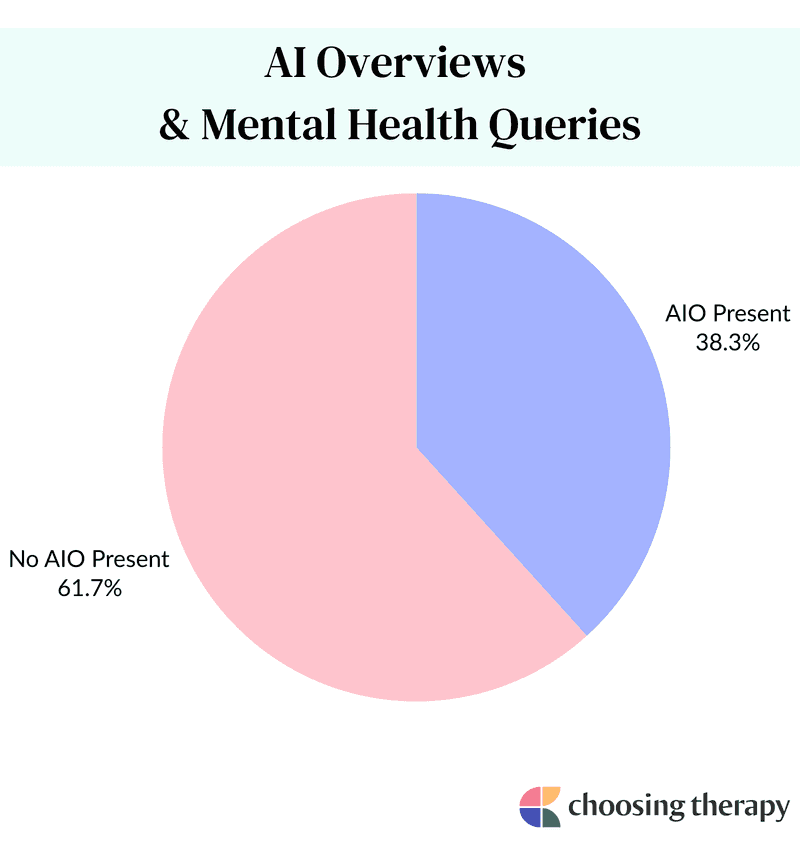
AI Overviews affect mental health platforms more aggressively and more conservatively than almost any other category — including general healthcare.
Google is no longer just ranking therapy apps, mental wellness platforms, or self-help content. It is actively deciding what mental health information is safe to summarise, what must be caveated, and what should never be simplified — directly in the SERP.
For mental health platforms, this is not an SEO challenge. It is a duty-of-care and trust threshold.
For mental health platforms, AI Overviews can be especially influential because many searches start with worried, early-stage questions. A parent may not search for a treatment provider first. They may search for early warning signs, behaviour changes, or whether certain symptoms are normal. This is where medically responsible, clearly structured content becomes important.
The All-in-One Platform for Effective SEO
Behind every successful business is a strong SEO campaign. But with countless optimization tools and techniques out there to choose from, it can be hard to know where to start. Well, fear no more, cause I've got just the thing to help. Presenting the Ranktracker all-in-one platform for effective SEO
We have finally opened registration to Ranktracker absolutely free!
Create a free accountOr Sign in using your credentials
For example, a resource explaining the Signs of anxiety in teenagers can support users at the awareness stage by helping them understand common emotional, physical, and behavioural indicators without replacing professional care. Content like this is also more likely to be useful for AI Overview systems because it answers a specific concern clearly, keeps the topic focused, and avoids unsafe or overly broad claims.
Mental health platforms should therefore build pages around real user questions, not just service keywords. Pages that explain symptoms, risk factors, when to seek help, and what responsible next steps look like can help Google understand the platform’s expertise while giving AI systems safer, more reliable information to summarize.
1. Why AI Overviews Are Stricter for Mental Health Than Any Other Vertical
Mental health queries are treated as high-risk by default.
Google’s systems assume:
- Users may be distressed or vulnerable
- Advice may influence immediate behaviour
- Incorrect framing can escalate harm
As a result, AI Overviews are designed to limit certainty and encourage professional support, not deliver answers.
Mental Health Queries Trigger AI Overviews Automatically
Common examples include:
- “Why do I feel anxious all the time?”
- “Signs of depression”
- “Do therapy apps work?”
- “Can AI help with mental health?”
- “What should I do if I feel overwhelmed?”
These queries used to drive traffic to:
- Therapy platforms
- Mental health blogs
- Self-assessment tools
Now, Google often answers with highly hedged, safety-first AI summaries, frequently encouraging off-platform support.
If your platform is not trusted enough, it is excluded entirely, regardless of rankings.
AI Overviews Act as Emotional Guardrails
Mental health AI Overviews are intentionally:
- Non-diagnostic
- Non-directive
- Support-oriented
- Escalation-aware
Anything that sounds like:
- A diagnosis
- A replacement for therapy
- A guaranteed outcome
is suppressed.
2. How AI Overviews Reshape the Mental Health User Journey
AI Overviews fundamentally change who arrives on mental health platforms.
Awareness → Safety Framing
AI Overviews define:
- That mental health experiences vary
- That self-diagnosis is unreliable
- That professional help may be needed
- That tools are supportive, not curative
This framing happens before a platform is even considered.
Comparison → Responsibility Filtering
Instead of asking:
- “Which app is best?”
Users now subconsciously ask:
- “Is this safe?”
- “Does this overpromise?”
- “Does it encourage real support?”
Platforms that sound more confident than Google lose trust instantly.
Conversion → Validation, Not Persuasion
When users do click:
- They expect boundaries
- They expect disclaimers
- They expect alignment with clinical reality
Anything that sounds too powerful or too simple creates friction.
3. The Mental Health SEO Attribution Illusion
Mental health platforms may notice:
- Lower organic traffic
- Fewer impulsive signups
- Higher-quality, more stable users
- Reduced misuse or crisis-driven churn
This can feel alarming.
Your content may:
- Influence AI summaries
- Pre-screen vulnerable users
- Encourage appropriate escalation
But analytics say:
“Traffic is dropping”
The All-in-One Platform for Effective SEO
Behind every successful business is a strong SEO campaign. But with countless optimization tools and techniques out there to choose from, it can be hard to know where to start. Well, fear no more, cause I've got just the thing to help. Presenting the Ranktracker all-in-one platform for effective SEO
We have finally opened registration to Ranktracker absolutely free!
Create a free accountOr Sign in using your credentials
In reality:
SEO is shaping who is safe and appropriate to onboard.
AI Overviews create safety-qualified demand.
4. How Google Chooses Sources for Mental Health AI Overviews
Google applies the strongest harm-prevention heuristics it has.
4.1 Clear Boundaries Are Mandatory
AI Overviews favour platforms that clearly state:
- What the platform supports
- What it does not treat
- When professional help is required
Ambiguity is penalised.
4.2 Clinical Oversight Signals Matter
AI trusts sources that:
- Reference licensed professionals
- Explain review processes
- Avoid anonymous advice
- Separate wellness from treatment clearly
“AI therapist” language is high-risk.
4.3 Crisis Awareness Is a Positive Signal
AI Overviews prefer platforms that:
- Mention crisis resources appropriately
- Avoid minimising severe symptoms
- Encourage external support when needed
Avoiding crisis language entirely reduces trust.
4.4 Entity-Level Trust Overrides Page SEO
Mental health platforms are evaluated as care entities, not software products.
Signals include:
- Brand reputation
- External citations
- Consistent tone across the site
- Absence of sensationalism
One irresponsible claim can suppress the entire domain.
5. The Strategic Shift for Mental Health Platform SEO
Old Mental Health SEO
- Rank symptom keywords
- Promote self-help solutions
- Optimise signup funnels
- Scale content volume
AI-First Mental Health SEO
- Lead with safety and scope
- Emphasise support, not treatment
- Normalise escalation
- Become a source Google feels safe referencing
If Google doesn’t feel safe summarising your platform, it won’t summarise it at all.
6. Content Types That Influence AI Overviews for Mental Health Platforms
6.1 “What This Platform Does (and Doesn’t)” Content
Examples:
- “How therapy apps support mental wellbeing”
- “What digital mental health tools cannot replace”
- “Difference between therapy, coaching, and self-help”
These anchor AI explanations.
6.2 Variability & Individual Experience Content
AI Overviews trust content that explains:
- Why experiences differ
- Why tools work for some users and not others
- Why timelines vary
Over-generalisation is penalised.
6.3 Escalation & Support Pathway Content
Explaining:
- When to seek professional care
- How platforms complement therapy
- What to do in crisis scenarios
Aligns with harm-reduction goals.
6.4 Ethical AI & Human-in-the-Loop Pages
AI prefers platforms that explain:
- Human oversight
- Data boundaries
- Ethical safeguards
- Limits of automation
Transparency builds trust.
7. How to Structure Mental Health Content for AI Overviews
Lead With Safety and Scope
Every major page should clearly state:
- Intended use
- User boundaries
- Non-diagnostic positioning
- Support escalation pathways
AI extracts early content aggressively.
Use Clinical, Non-Absolute Language
Phrases like:
- “May help support”
- “Not a substitute for professional care”
- “Experiences vary”
- “If symptoms worsen, seek help”
Increase AI trust dramatically.
Centralise Definitions and Claims
Winning mental health platforms:
- Use consistent terminology
- Avoid conflicting marketing language
- Align blogs, FAQs, and product pages
AI punishes inconsistency quietly but decisively.
8. Measuring Mental Health SEO Success in an AI Overview World
Traffic is no longer the KPI.
Mental health platforms should track:
- AI Overview inclusion
- User retention and safety metrics
- Appropriate escalation behaviour
- Reduced misuse
- User understanding at onboarding
SEO becomes digital duty-of-care infrastructure, not growth hacking.
9. Why AI Overview Tracking Is Critical for Mental Health Platforms
Without AI Overview tracking, platforms lose visibility into how Google evaluates their safety posture.
You won’t know:
- If your platform is considered safe to reference
- Which competitors are trusted more
- When messaging triggers harm filters
- Where content needs tightening
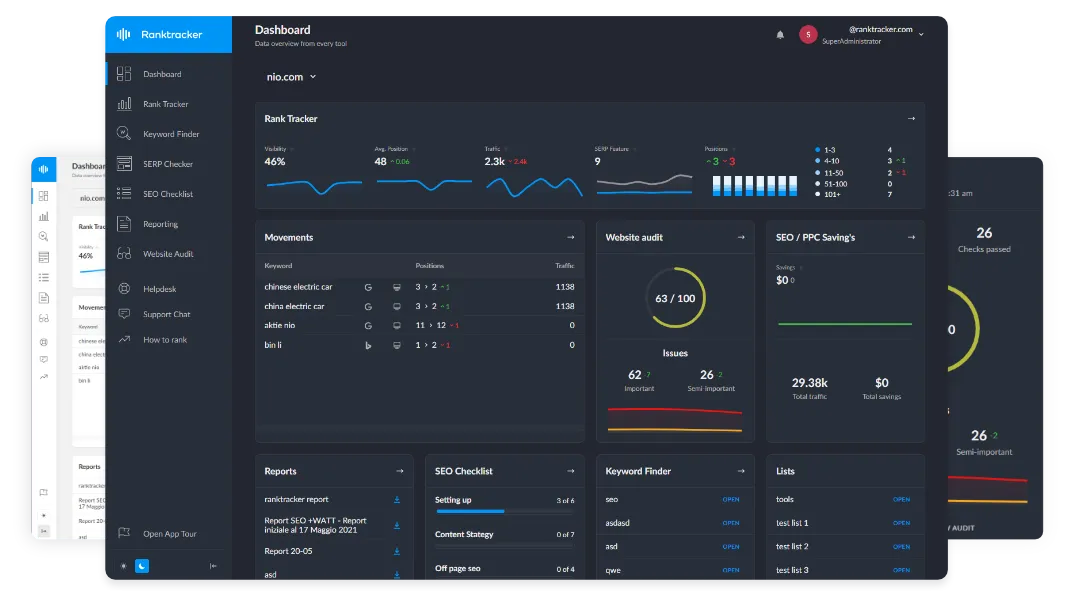
This is where Ranktracker becomes essential.
Ranktracker allows mental health platforms to:
- Track AI Overviews per mental health keyword
- Monitor desktop and mobile AI summaries
- Compare AI visibility with Top 100 rankings
- Detect trust erosion before user impact
You cannot manage modern mental health SEO without AI-layer observability.
10. Conclusion: AI Overviews Decide Which Mental Health Platforms Are Safe to Reference
AI Overviews do not replace therapists. They decide which platforms behave responsibly.
In an AI-first mental health SERP:
- Safety beats scale
- Restraint beats confidence
- Transparency beats persuasion
- Trust beats rankings
Mental health platforms that adapt will:
- Maintain long-term visibility
- Protect vulnerable users
- Reduce reputational and ethical risk
- Build durable credibility with both users and regulators
The mental health SEO question has changed.
It is no longer:
The All-in-One Platform for Effective SEO
Behind every successful business is a strong SEO campaign. But with countless optimization tools and techniques out there to choose from, it can be hard to know where to start. Well, fear no more, cause I've got just the thing to help. Presenting the Ranktracker all-in-one platform for effective SEO
We have finally opened registration to Ranktracker absolutely free!
Create a free accountOr Sign in using your credentials
“How do we rank mental health keywords?”
It is now:
“Does Google trust us enough to reference our platform without causing harm?”
Those who earn that trust help shape how mental health support is discovered — safely and responsibly.