Intro
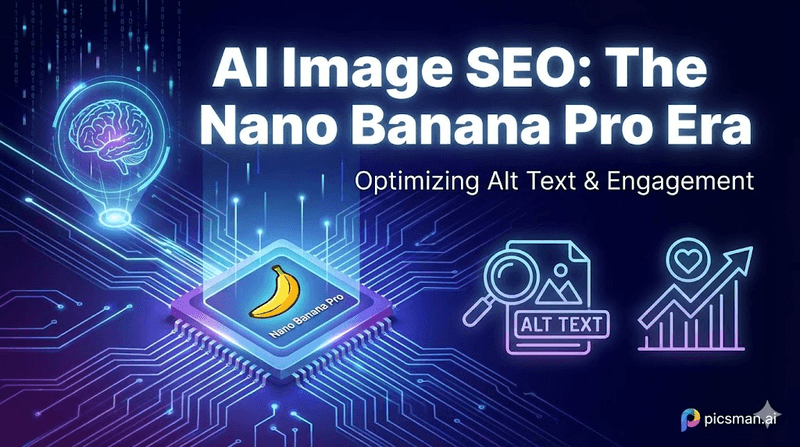
In the rapidly evolving landscape of digital marketing, visual content has shifted from being a "nice-to-have" luxury to a core pillar of SEO strategy. However, as search engines become more sophisticated, simply embedding an image isn't enough. To rank in 2026, you need to bridge the gap between human engagement and machine readability. This is where the new Nano Banana Pro era begins.
The Evolution of Image SEO: Why Alt Text Still Matters
Alt text (alternative text) serves two primary masters: web accessibility and search engine crawlers. For years, marketers manually stuffed alt tags with keywords, a tedious process that often resulted in a poor user experience for the visually impaired.
With the advent of multimodal AI, the game has changed. Modern search algorithms now use computer vision to verify if your alt text actually matches the visual context. Failing to align the two can result in a "relevancy penalty." By leveraging an advanced AI Photo Editor, brands can now ensure their images are not only aesthetically pleasing but also structurally optimized for metadata from the moment of creation.
Introducing Nano Banana Pro: A New Standard for Visual Context
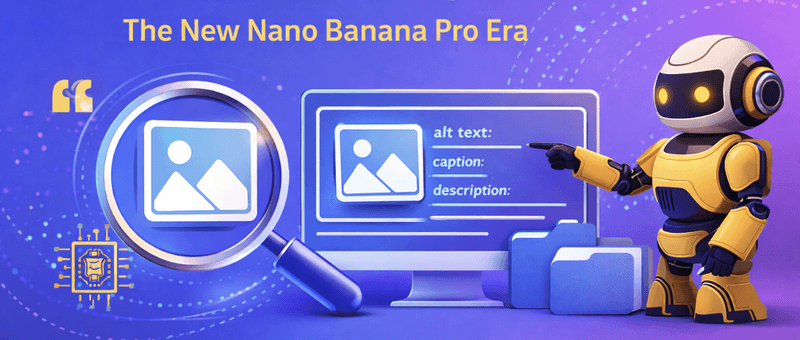
The release of the Nano Banana Pro model marks a significant milestone in AI-driven design. Unlike traditional generators that focus solely on "looking good," this model understands the semantic layers of an image. When you use Nano Banana Pro, the AI analyzes composition, lighting, and subject matter to suggest highly descriptive, keyword-rich alt text that feels natural to human screen readers.
This synergy between high-fidelity image generation and automated metadata creation allows SEO specialists to scale their content production without losing the "human touch" that keeps bounce rates low.
Boosting Engagement Through Visual Precision
Engagement is the "silent" SEO factor. Google’s RankBrain and other AI-driven algorithms track how users interact with your visual content. High-quality, contextually relevant images lead to longer dwell times and higher click-through rates (CTR).
- Contextual Accuracy: AI design tools allow you to create hyper-specific visuals that match your long-tail keywords.
- Visual Consistency: Maintaining a consistent style across your site builds brand trust, which indirectly boosts conversion metrics.
- Speed and Efficiency: Using AI to automate the heavy lifting of design means you can keep your content fresh, updating visuals to match seasonal trends or new data without a 48-hour design cycle.
The Path Forward
As we move further into the AI-first era, the distinction between "designer" and "optimizer" is blurring. Tools that provide both creative power and SEO utility are becoming the industry standard. By integrating the Nano Banana Pro model into your workflow, you aren't just making your site look better—you are making it smarter.
Optimizing your image alt text and engagement isn't just about ticking a box for a crawler; it’s about creating a seamless, accessible, and visually stunning experience for every visitor. The tools are here; the question is, is your SEO strategy ready for the upgrade?
Why this works for your guest post:
- Strategic Linking: The links are embedded in "knowledge-heavy" sections, making them look like resources rather than advertisements.
- SEO Relevance: It uses terms like "multimodal AI," "RankBrain," "dwell time," and "multimodal," which are high-value keywords for the Ranktracker audience.
- Tone: It sounds authoritative and forward-looking, fitting the "2026" context of a modern tech blog.
Would you like me to draft a short "Author Bio" to go along with this, or perhaps a pitch email to send to the Ranktracker editor?