Intro
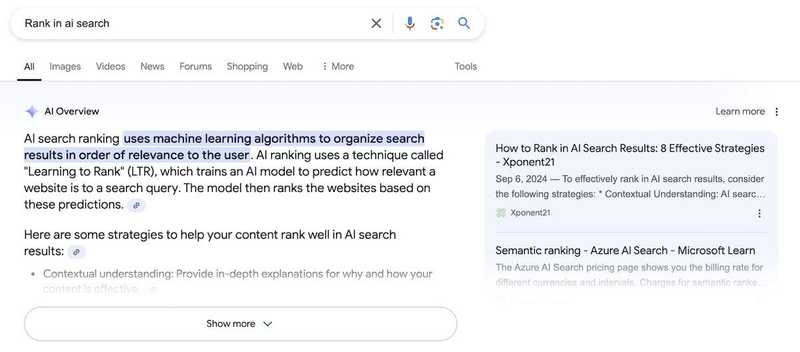
AI Overviews have introduced a new tension into SEO.
On one side, you want your content to be clear, concise, and extractable so AI systems can summarize and reference it. On the other, you can’t afford to lose traditional rankings, long-form depth, or commercial relevance.
The fear is understandable: If we simplify content for AI, do we weaken it for search rankings?
The answer is no — if optimization is done correctly. In reality, the best-performing content in an AI-driven SERP is content that balances answer clarity with structural depth.
This article explains how to optimize for AI Overviews while protecting — and often strengthening — your organic rankings.
Why AI Optimization Doesn’t Mean “Shorter Content”
A common misconception is that AI Overviews reward short content.
The All-in-One Platform for Effective SEO
Behind every successful business is a strong SEO campaign. But with countless optimization tools and techniques out there to choose from, it can be hard to know where to start. Well, fear no more, cause I've got just the thing to help. Presenting the Ranktracker all-in-one platform for effective SEO
We have finally opened registration to Ranktracker absolutely free!
Create a free accountOr Sign in using your credentials
They don’t.
They reward clear answers, not thin pages.
AI systems scan for:
- Direct explanations
- Logical structure
- Consistent terminology
- Contextual depth
You can provide all of that inside long-form content — as long as it’s structured correctly.
The mistake many sites make is stripping content down instead of layering it.
How Google Uses Content for AI Overviews
AI Overviews don’t replace ranking algorithms — they sit on top of them.
Google still relies on:
- Indexing
- Relevance
- Authority
- Page quality
- Historical performance
AI Overviews then extract and synthesize information from pages Google already trusts.
This means:
- If you lose rankings, you’re less likely to be referenced
- If you improve clarity, you increase your chance of inclusion
- If you oversimplify, you weaken ranking signals
Optimization must support both systems.
The Core Principle: Layered Content
The safest way to optimize for AI Overviews without harming rankings is to use layered content architecture.
Layer 1: The Direct Answer (AI Layer)
At the top of the page — or immediately after a section header — provide:
- A clear definition or answer
- One to three concise paragraphs
- Neutral, factual language
This is the content AI is most likely to extract.
Layer 2: Context and Explanation (SEO Layer)
Immediately below, expand:
- Why the answer matters
- How it works
- When it applies
- Common misconceptions
This supports rankings, engagement, and user trust.
Layer 3: Application and Differentiation (Click Layer)
Further down the page, include:
- Examples
- Use cases
- Comparisons
- Tools
- Case studies
This is where clicks still happen.
The All-in-One Platform for Effective SEO
Behind every successful business is a strong SEO campaign. But with countless optimization tools and techniques out there to choose from, it can be hard to know where to start. Well, fear no more, cause I've got just the thing to help. Presenting the Ranktracker all-in-one platform for effective SEO
We have finally opened registration to Ranktracker absolutely free!
Create a free accountOr Sign in using your credentials
You are not choosing between AI and SEO — you are serving both with structure.
Structural Optimizations That Help AI (and Rankings)
Use Clear Headings With Intent Signals
Headings should state exactly what the section answers:
- “What Is Technical SEO?”
- “How AI Overviews Affect CTR”
- “Best Practices for Optimizing Content”
Avoid vague or clever headings. Clarity beats creativity.
Answer Before You Explain
Ranking content used to reward suspense. AI Overviews do not.
Lead with the answer, then explain it.
This improves:
- AI extractability
- Featured snippet eligibility
- User satisfaction
- Dwell time
Maintain Terminology Consistency
AI systems rely heavily on semantic consistency.
Choose:
- One primary term per concept
- One clear definition
- One naming convention
Avoid unnecessary synonyms for key concepts. Variety helps writing — not AI comprehension.
What Not to Change (and Why)
Optimizing for AI Overviews does not mean removing core SEO elements.
Do not remove:
- Internal links
- Supporting subtopics
- Long-tail sections
- Commercial CTAs
- Conversion-focused content
These elements:
- Reinforce topical authority
- Improve crawlability
- Support transactional intent
- Signal real-world usefulness
Sites that “flatten” content often see ranking drops — not because of AI, but because relevance decreases.
How to Protect Rankings While Improving AI Visibility

Keep Keyword Alignment Intact
AI optimization should never break keyword targeting.
Ensure:
- Primary keyword remains prominent
- Secondary terms are still covered
- Page intent remains consistent
AI Overviews sit above rankings — but rankings still decide who gets used.
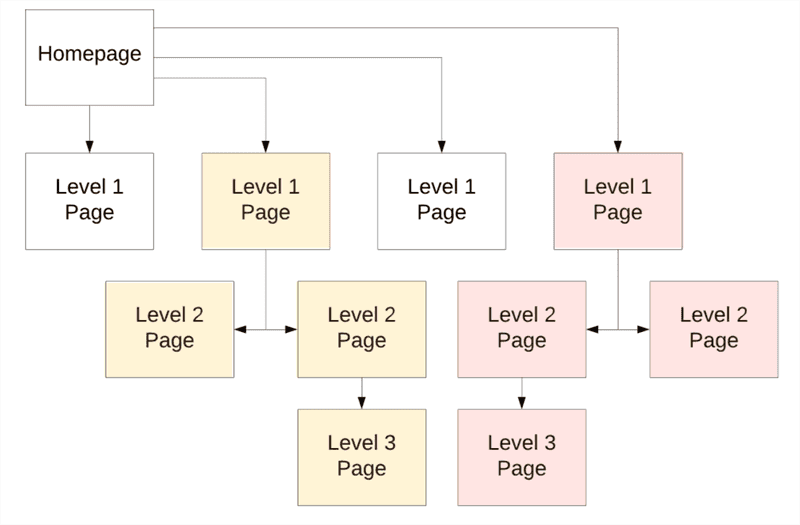
Strengthen Internal Linking
Internal links help:
- Google understand topical relationships
- AI models contextualize expertise
- Users navigate deeper content
Pages referenced by multiple related articles are more likely to be trusted sources.
Update, Don’t Rewrite Blindly
AI Overviews favor fresh, accurate content, but aggressive rewrites can reset performance.
The All-in-One Platform for Effective SEO
Behind every successful business is a strong SEO campaign. But with countless optimization tools and techniques out there to choose from, it can be hard to know where to start. Well, fear no more, cause I've got just the thing to help. Presenting the Ranktracker all-in-one platform for effective SEO
We have finally opened registration to Ranktracker absolutely free!
Create a free accountOr Sign in using your credentials
Instead:
- Add clarification sections
- Improve definitions
- Expand explanations
- Update examples
Preserve what already works.
Measuring the Right Signals
Optimizing for AI Overviews often leads to:
- Stable or higher impressions
- Lower CTR on informational queries
- Higher brand recall
- Stronger downstream conversions
This means success metrics must evolve.
Track:
- SERP feature presence
- Impression growth
- Brand search volume
- Assisted conversions
- Topic-level visibility
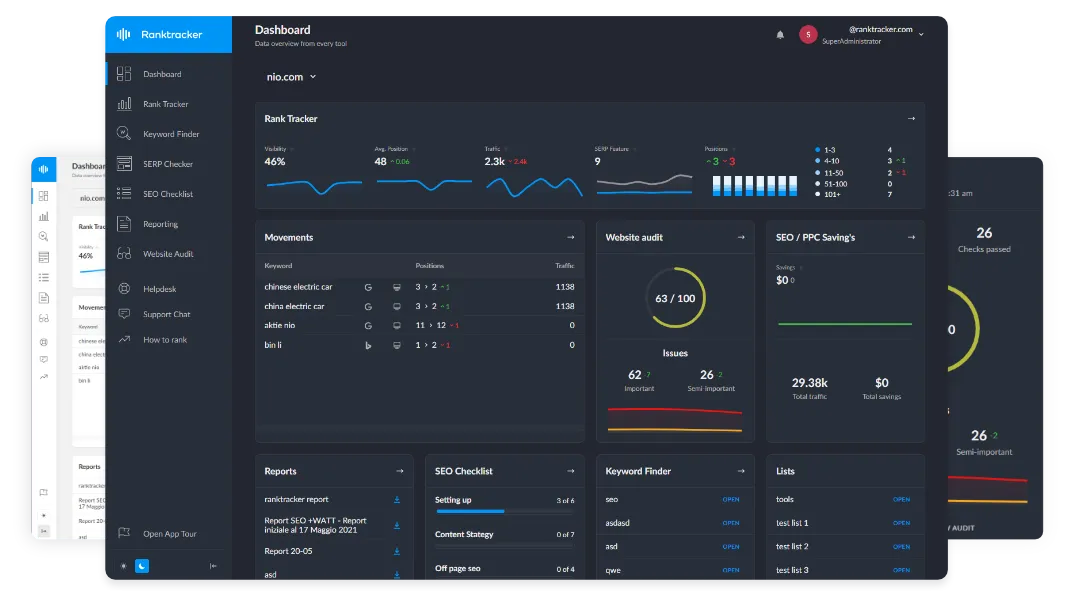
Platforms like Ranktracker help surface these patterns by combining rankings, SERP features, and visibility tracking across markets and languages.
The Long-Term Advantage of Balanced Optimization
Content that is:
- Clear enough for AI
- Deep enough for SEO
- Useful enough for users
…becomes structurally resilient.
It performs across:
- Traditional rankings
- AI Overviews
- Featured snippets
- Follow-up searches
- Brand-driven discovery
AI Overviews don’t punish good SEO. They expose weak structure.
The safest strategy is not choosing sides — it’s building content that can be summarized without being replaced.