Intro

Chinese startups have moved far beyond apps and online platforms. Robots now operate across production facilities in Shenzhen and Shanghai, while sensors monitor all activities and artificial intelligence systems detect upcoming issues.
At Tesla’s Shanghai Gigafactory, engineers combined local know-how with advanced robotics and close partnerships with Chinese manufacturers. The result: production speeds few other factories can match. This blend of hands-on experience and industry expertise creates a powerful learning ecosystem that stretches across electric vehicles, green energy, semiconductors, and advanced materials research.
Business Landscape of China
The industrial environment of China keeps on evolving every single day. Some startups begin their operations through small-scale businesses, which include a production line pilot project and a local partnership. The other group of companies establishes deep ties with industrial clusters through their activities in factories and trade fairs while they maintain connections with engineers, suppliers, and regulation officials. Startups that align their approach with China’s business culture can navigate this vast market much more effectively.
Advanced Manufacturing: The Heartbeat of Industrial China
There’s a reason the country accounts for more than half of global robots stepping into factory towns from Suzhou to Wuhan, and you’ll witness something striking: robotic arms and automated assembly lines working in harmony with traditional operations. China is rolling out industrial robots faster than almost anywhere else in the world.
For startups focused on automation, precision sensing, or AI-driven workflow tools, this massive manufacturing base is less intimidating than it seems; it’s full of opportunity. But there’s a catch. What works elsewhere doesn’t always translate directly. You’ll have to learn how Chinese manufacturers think about efficiency, how they calibrate cost versus longevity, and how local supply chains operate in real time. It helps, too, to partner with local integrators who already speak the language of factory floor realities. It’s not just about technology. It’s about understanding industrial rhythm.
Deep Tech and AI: A Fast Track if You’re Ready
China isn’t just making robots. It’s teaching them, and it’s teaching them fast. There’s a strong push to embed AI across sectors from manufacturing to healthcare to logistics and beyond. Local startups and research teams are producing massive volumes of data, the lifeblood of AI innovation. So if your startup deals in machine learning or adaptive systems, you’re not entering alone. Larger ecosystems like the “Six Little Dragons” in Hangzhou show how local players can become international players with the right momentum.
Crucially, China doesn’t treat AI as a standalone sector. It sees it as connective tissue, something that should enhance energy grids, refine supply chains, improve urban planning, and scale autonomous decision-making. If your idea strengthens one of these core systems, it could scale into something significant.
Green Technology and Sustainability: A Surging Frontier
You might have noticed, even from abroad, clean tech is bubbling up fast in China. Wind turbines, renewable fuels, and sustainable materials—all of these are getting serious attention from policymakers and investors alike. Domestic companies are now expanding clean fuel production on a scale that rivals their global counterparts.
But don’t assume this is purely state-led or closed off to outsiders. China’s energy transition is also open to foreign collaboration, especially in areas like biofuel technologies, carbon capture solutions, and circular economy manufacturing. What makes this space interesting is the blend of industrial scale with an urgency you rarely see elsewhere. Domestic consumers care about sustainability. Investors care even more. That combination will continue to reshape parts of the industrial base for the next decade.
Digital Infrastructure and Services: Beyond Gadgets
Hardware gets a lot of attention, but digital services, cloud platforms, IoT integration, cybersecurity, and even fintech layers that support industrial processes are quietly booming. China’s push for a “Digital China” means digital platforms are no longer add-ons. They’re foundational.
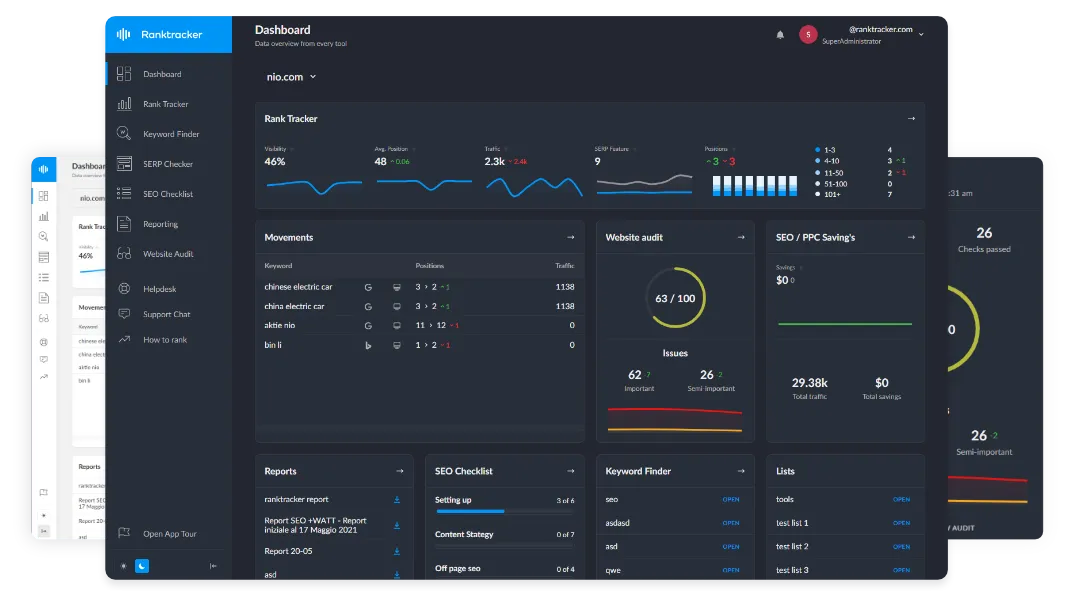
The All-in-One Platform for Effective SEO
Behind every successful business is a strong SEO campaign. But with countless optimization tools and techniques out there to choose from, it can be hard to know where to start. Well, fear no more, cause I've got just the thing to help. Presenting the Ranktracker all-in-one platform for effective SEO
We have finally opened registration to Ranktracker absolutely free!
Create a free accountOr Sign in using your credentials
Foreign startups with digital services must understand that Chinese businesses think in terms of integration and depth. They don’t want a point solution; they want something that fits into a broader enterprise ecosystem. Partner with local developers early. Don’t just localize your app; localize your thinking.
Language, Culture, and Trust: Why They Matter
It’s tempting to think that technology alone opens doors, but without cultural fluency and local trust, even great ideas falter. When you show up in China, you’re entering a context shaped by decades of negotiated expectations, unwritten norms, and relationships that run deep.
Translation goes beyond words. Many startups invest in a trusted Chinese translation agency even before adapting their products, ensuring communication feels natural and precise. What matters is conveying intent, care, and precision in a way that feels natural to local partners and customers.
And when it comes to setting up operations and dialogues with regulators, having a reliable translation service provider can be more than helpful. It's an enabler for clearer communication that doesn’t fall into misunderstanding or misinterpretation.
**Wrapping Up **
The story of China's industrial development progress does not follow a basic path because it grows through continuous activity, shaped by different technological innovations, cultural elements, and human creativity. International startups need to prioritize their current business operations instead of focusing on immediate expansion. Successful operations require organizations to focus on three essential elements: actual factory operations, local business practices, and trust-based connections that extend beyond contractual agreements. The path to success becomes difficult because all valuable endeavors require effort, yet there exist benefits for those who dedicate themselves to active listening and learning and adapt to business requirements.