Intro
Team burnout has quietly become one of the most significant challenges in modern workplaces. Despite advanced productivity tools, flexible schedules, and digital systems, many organizations still struggle to balance performance with employee well-being. Burnout is not simply the result of long hours; it develops from prolonged stress, poorly distributed workloads, and a lack of ongoing support. Over time, this strain erodes motivation, creativity, and overall engagement. For teams aiming to sustain performance in the long term, preventing burnout is no longer optional.
Intelligent work distribution is emerging as an effective solution. Unlike traditional task assignment based on availability or hierarchy, this approach considers employee skills, workload capacity, and personal preferences. By aligning tasks with individual strengths and limiting overcommitment, organizations can reduce stress while maintaining efficiency.
Beyond prevention, intelligent work distribution fosters fairness, trust, and collaboration. Employees feel valued when workloads are managed thoughtfully, and leaders gain better visibility into imbalances before they escalate. This article explores how intelligent work distribution works, why it matters, and practical ways teams can implement it successfully.
Understanding Team Burnout
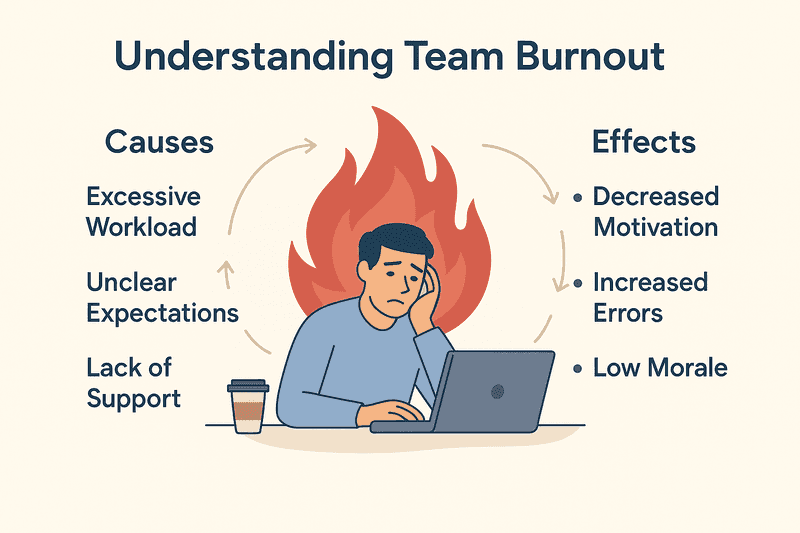
Team burnout is more than just feeling tired after a long week. It’s a chronic state of physical, emotional, and mental exhaustion caused by prolonged workplace stress. When team members are overwhelmed with tasks, unclear expectations, or unrealistic deadlines, their motivation and productivity steadily decline. Burnout doesn’t just affect the individual—it creates a ripple effect across the team, slowing progress, increasing mistakes, and harming overall morale.
Occupational burnout symptoms often include exhaustion, detachment from work, and reduced efficacy. Employees experiencing these signs may withdraw from collaboration, show less creativity, and even develop physical health issues like headaches or insomnia. Organizations that ignore burnout risk higher turnover rates, lower engagement, and ultimately, decreased profitability.
It’s important to recognize that burnout is often preventable. The key lies in how work is assigned and managed. Teams that are constantly overloaded, have poorly defined roles, or lack support systems are more susceptible. On the other hand, organizations that proactively balance workloads and match tasks to employees’ capabilities can significantly reduce the risk of burnout.
The All-in-One Platform for Effective SEO
Behind every successful business is a strong SEO campaign. But with countless optimization tools and techniques out there to choose from, it can be hard to know where to start. Well, fear no more, cause I've got just the thing to help. Presenting the Ranktracker all-in-one platform for effective SEO
We have finally opened registration to Ranktracker absolutely free!
Create a free accountOr Sign in using your credentials
As Raphael Yu, CMO at LeadsNavi, notes, “The volume of work alone rarely causes burnout, it’s the mismatch between the work demands and the resources or support available to complete it. Intelligent work distribution directly addresses this mismatch, which is why it’s so effective.”
The Role of Workload Management in Employee Well-being
Effective workload management is a cornerstone of employee well-being. When tasks are distributed thoughtfully, employees experience less stress, feel more in control, and can focus on producing quality work rather than just completing tasks. Conversely, poorly managed workloads lead to constant pressure, creating a cycle of fatigue and frustration that erodes both personal satisfaction and team performance.
A balanced workload allows employees to leverage their strengths while developing new skills without feeling overwhelmed. It also fosters a sense of fairness, as team members perceive that tasks are allocated based on ability and availability rather than favoritism. This perception directly impacts morale and engagement, which are critical for long-term productivity.
Modern workload management relies on continuous assessment and adjustment. Managers must monitor not only the quantity of work assigned but also the complexity and urgency of each task. Tools like task-tracking software and capacity dashboards help identify bottlenecks before they escalate into burnout, ensuring that no employee is consistently overloaded.
As Kos Chekanov, CEO of Artkai, notes, “Workload management isn’t just an operational concern; it’s a well-being strategy. Teams that actively manage task distribution see lower absenteeism and higher engagement because employees feel their limits are respected.”
What Intelligent Work Distribution Really Means
Intelligent work distribution goes beyond simply assigning tasks to whoever is available. It’s a strategic approach that considers each team member’s skills, current workload, strengths, and even personal preferences. By aligning tasks with the right people, organizations can ensure that work is completed efficiently while reducing stress and preventing burnout. This approach transforms task allocation from a routine administrative duty into a powerful tool for team well-being and productivity.
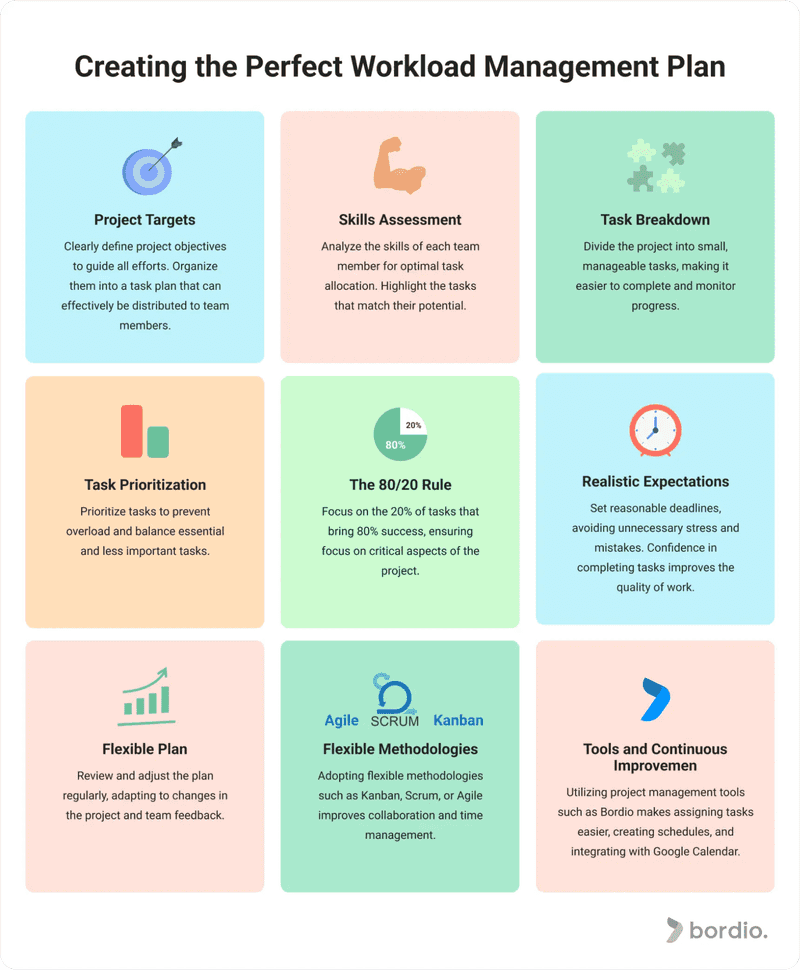
Source: Bordio
The All-in-One Platform for Effective SEO
Behind every successful business is a strong SEO campaign. But with countless optimization tools and techniques out there to choose from, it can be hard to know where to start. Well, fear no more, cause I've got just the thing to help. Presenting the Ranktracker all-in-one platform for effective SEO
We have finally opened registration to Ranktracker absolutely free!
Create a free accountOr Sign in using your credentials
At its core, intelligent work distribution relies on data-driven insights. Managers can analyze workloads, track task completion rates, and understand employees’ capacity limits. This information allows leaders to balance assignments more accurately, avoiding overburdening high performers while supporting those who may need additional development or guidance. Additionally, it promotes skill growth by gradually assigning tasks that stretch capabilities without overwhelming the employee.
A key aspect of this strategy is flexibility. Teams are dynamic, and workloads fluctuate daily. Intelligent distribution requires constant monitoring and adjustments, ensuring that assignments remain fair and sustainable. It also encourages open communication, allowing employees to express capacity concerns and collaborate on solutions before stress accumulates.
As Ankit Kanoria, Chief Growth Officer at Hiver, explains, “Intelligent work distribution is not about micromanaging; it is about assigning the right task to the right person at the right time. When done well, it fosters fairness and empowerment, both of which are essential for preventing burnout.”
How Unequal Workloads Lead to Stress and Burnout
Unequal workloads are one of the most common yet overlooked causes of team burnout. When tasks are distributed without considering capacity, some employees become overloaded while others remain underutilized. Overworked team members often experience chronic stress, anxiety, and declining job satisfaction, while underutilized employees may feel disengaged or undervalued. This imbalance not only affects individual well-being but also disrupts overall team cohesion and performance.
Stress caused by unequal workloads can manifest in multiple ways. Employees may work longer hours to keep up, skip breaks, or sacrifice personal time to meet deadlines. Over time, this continuous pressure diminishes motivation and creativity, leading to mistakes, missed deadlines, and lower-quality output. The constant feeling of being “behind” contributes directly to burnout and may eventually result in higher turnover rates.
Addressing workload inequality requires awareness and proactive management. Leaders must track not only the number of tasks but also their complexity, urgency, and required skills. By monitoring these factors, managers can redistribute work more fairly and identify employees who may need support or additional resources. This prevents the accumulation of stress before it reaches critical levels.
As William Fletcher, CEO at Car.co.uk, explains, “Burnout rarely happens overnight; it builds gradually when workloads are uneven and unmanaged. Ensuring equitable task distribution is the first and most effective step in protecting team well-being.”
The Science Behind Smart Task Allocation
Smart task allocation is grounded in both psychological and organizational research, showing that aligning tasks with employees’ abilities, preferences, and capacity improves productivity while reducing stress. Cognitive load theory explains that people have a limited capacity for processing information and handling tasks at any given time. Assigning tasks without considering this capacity can lead to mental overload, mistakes, and burnout. Conversely, distributing work intelligently ensures that employees can focus, perform optimally, and maintain motivation.
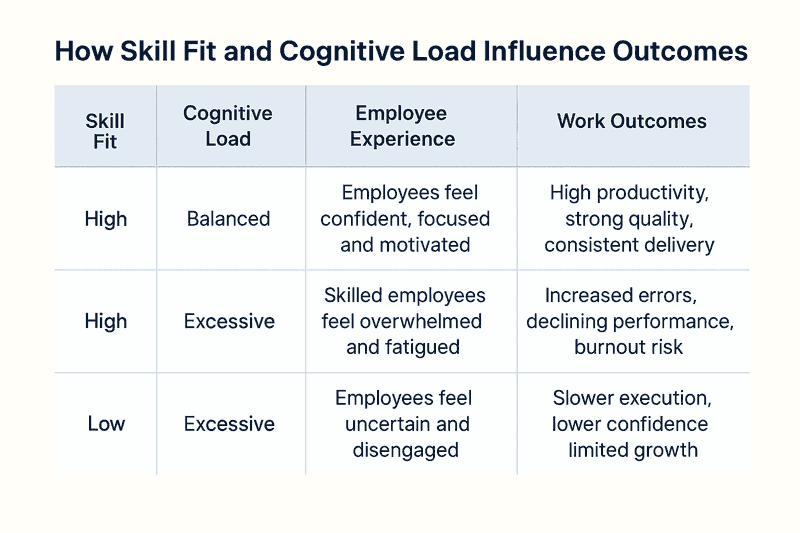
Research in organizational behavior also highlights the importance of skill-task fit. Tasks that match an employee’s strengths tend to be completed more efficiently and with higher satisfaction, while tasks that fall outside their competence can increase anxiety and reduce confidence. Additionally, providing variety and occasional challenges prevents monotony and keeps employees engaged, striking a balance between comfort and growth.
Modern approaches to smart task allocation leverage technology to make these decisions data-driven. Tools that track workloads, analyze skill sets, and forecast capacity allow managers to make informed assignments rather than relying on intuition alone. By continuously monitoring performance and adjusting assignments, organizations can maintain a sustainable pace of work and minimize burnout.
Tools and Strategies for Effective Work Distribution
Effective work distribution requires both the right strategies and the right tools. When leaders have visibility into workloads, team skills, and project priorities, they can assign tasks more fairly and efficiently. Several practical approaches and digital tools can make intelligent work allocation a reality.
Key strategies include:
- Skills and capacity mapping: Understand each team member’s strengths, development areas, and availability to ensure tasks match capabilities.
- Prioritization frameworks: Use methods like the Eisenhower Matrix to identify urgent versus important tasks, preventing overload.
- Regular check-ins: Weekly or bi-weekly meetings help managers monitor progress and adjust assignments before stress escalates.
- Flexible task rotation: Rotating tasks prevents monotony, supports skill development, and balances workload across the team.
Digital tools that help:
- Project management software (Asana, Trello, Jira): Track tasks, deadlines, and workloads in real time.
- Resource management platforms (Float, Monday.com): Visualize team capacity and prevent over-assignment.
- Collaboration tools (Slack, Microsoft Teams): Facilitate communication, making it easier for employees to raise workload concerns.
Balancing Skills and Capacity: A Key to Sustainable Teams
Balancing skills and capacity is essential for maintaining team productivity while protecting employee well-being. Assigning tasks purely based on availability, without considering individual expertise, often leads to inefficiencies and unnecessary stress. At the same time, overloading high performers while underutilizing others creates resentment and disengagement. A thoughtful approach ensures that work is aligned with skills and distributed according to each employee’s realistic capacity.
Effective capacity management requires understanding both the quantitative and qualitative aspects of work. Quantitative factors include available hours and deadlines, while qualitative considerations involve task complexity and the level of expertise required. When these elements are evaluated together, managers can assign work that is challenging yet manageable, helping prevent chronic stress and fatigue. This approach also supports steady skill development by introducing more complex responsibilities at the right pace.
Communication plays a critical role in sustaining this balance. Employees should feel comfortable raising workload concerns and sharing feedback on assignments, allowing leaders to make timely adjustments before pressure builds.
As Sharon Amos, Director at Air Ambulance 1, notes, “Burnout often begins when capability is ignored in favor of speed. When leaders balance what people are skilled at with what they can realistically handle, teams perform better and stay resilient.”
Recognizing Early Signs of Team Overload
Identifying team overload early is crucial to preventing burnout. Managers who notice warning signs promptly can intervene, redistribute tasks, and provide support before stress becomes chronic. Overload often shows up not only in declining performance but also in subtle behavioral and emotional changes.
Common early signs include:
- Declining productivity: Tasks take longer than usual, and quality may drop.
- Increased absenteeism: Frequent sick days or tardiness can indicate stress.
- Emotional exhaustion: Employees may appear frustrated, irritable, or disengaged.
- Reduced collaboration: Withdrawal from teamwork, reluctance to participate in discussions, or avoidance of responsibilities.
- Physical symptoms: Complaints of headaches, fatigue, or sleep problems can signal chronic stress.
Monitoring workload through software tools and regular check-ins can help managers detect these signs before they escalate. Open communication is essential; employees should feel safe discussing capacity limits and stressors. Early recognition allows for proactive adjustments, ensuring the team remains productive while safeguarding well-being.
As Brandy Hastings, SEO Strategist at SmartSites, notes, “Burnout prevention starts with awareness. Leaders who can spot the early signs of overload and act decisively not only protect their team’s health but also maintain high performance.”
The Impact of Intelligent Work Distribution on Employee Morale
Intelligent work distribution has a profound effect on employee morale. When tasks are assigned fairly and thoughtfully, employees feel valued and trusted, which fosters a positive work environment. Conversely, uneven or arbitrary task allocation can lead to frustration, disengagement, and even resentment, undermining both individual and team performance.

When employees see that their skills are being recognized and that workloads are managed to prevent overload, they are more motivated to contribute fully. This sense of fairness enhances loyalty and encourages collaboration, as team members are less likely to compete for limited resources or feel overburdened. It also supports personal growth by allowing employees to take on tasks that challenge them without causing stress.
High morale resulting from intelligent task allocation translates directly into better outcomes. Teams are more likely to meet deadlines, innovate, and maintain consistent performance. Moreover, employees who experience lower stress levels tend to have higher job satisfaction and are less likely to leave the organization, reducing turnover costs and retaining institutional knowledge.
Automation and AI in Workload Management
Automation and AI are revolutionizing the way organizations manage workloads and prevent burnout. By analyzing patterns in task completion, deadlines, and employee capacity, AI-driven tools can suggest optimal task assignments, flag potential overload, and even forecast future workload bottlenecks. This proactive approach ensures that employees are neither underutilized nor overwhelmed.
For example, AI-powered project management platforms can monitor real-time progress and automatically reassign tasks when someone is falling behind or nearing capacity. Automation can also handle repetitive or administrative tasks, freeing employees to focus on higher-value, meaningful work. By reducing manual workload allocation and oversight, managers can dedicate more time to mentoring, strategic planning, and employee well-being initiatives.
Importantly, the successful integration of AI requires transparency and collaboration. Employees need to trust that AI recommendations support fairness and efficiency, not surveillance or micromanagement. When implemented thoughtfully, AI becomes a partner in sustaining productivity, morale, and overall team health.
Fostering Collaboration Without Overburdening Anyone
Collaboration is essential for team success, but without careful management, it can unintentionally increase stress and workload. Meetings, group projects, and cross-functional tasks can become overwhelming if they are not balanced with individual responsibilities. Intelligent work distribution ensures that collaboration enhances productivity rather than contributing to burnout.
One key strategy is to clearly define roles and responsibilities within collaborative projects. When every team member understands their scope of work and contribution, confusion, overlap, and unnecessary stress are reduced. Managers must also pay attention to the cumulative impact of collaboration so employees are not stretched too thin by multiple initiatives running in parallel.
Effective collaborative workload management includes:
- Clearly assigning ownership for each task or deliverable
- Limiting the number of concurrent collaborative projects per employee
- Aligning collaboration expectations with individual capacity and deadlines
- Regularly reviewing workload distribution during project check-ins
Technology also plays an important role in supporting balanced collaboration. Tools such as shared task boards, scheduling platforms, and capacity trackers help teams coordinate work without placing excess strain on any single person. Encouraging asynchronous collaboration where possible reduces meeting overload and gives employees greater control over how they manage their time.
Collaboration is most effective when it is structured, transparent, and respectful of individual limits. By designing collaborative workflows with workload balance in mind, teams can benefit from shared effort while protecting both well-being and performance.
Measuring and Adjusting Workload for Continuous Improvement
Continuous monitoring and adjustment of workloads is crucial to preventing burnout and maintaining team efficiency. Simply assigning tasks isn’t enough; managers must regularly assess whether workloads are realistic, balanced, and aligned with employees’ strengths. This ongoing process allows teams to adapt to changing priorities, deadlines, and resource availability.
Key methods for measuring workload include tracking task completion times, monitoring overtime hours, and surveying employees about perceived stress and capacity. Data from project management software can reveal bottlenecks, over-allocated team members, and underutilized resources. Combining quantitative metrics with qualitative feedback ensures a holistic view of workload distribution.
Adjustment strategies should be proactive rather than reactive. Redistributing tasks when someone is approaching capacity, reassigning complex tasks to employees with the right skills, and providing support through automation or training can prevent stress accumulation. Over time, this iterative approach builds a sustainable workflow and fosters a culture of transparency and fairness.
By continuously measuring and refining workload distribution, organizations create resilient teams that maintain high performance without sacrificing employee well-being, making long-term success more achievable.
Long-Term Benefits: Productivity, Engagement, and Reduced Turnover
Intelligent work distribution doesn’t just prevent burnout—it drives lasting organizational benefits. Teams that consistently implement fair, data-driven task allocation experience higher productivity because employees can focus on tasks that align with their strengths, reducing errors and inefficiencies. By maintaining a manageable workload, employees are more engaged, motivated, and invested in their work.
The All-in-One Platform for Effective SEO
Behind every successful business is a strong SEO campaign. But with countless optimization tools and techniques out there to choose from, it can be hard to know where to start. Well, fear no more, cause I've got just the thing to help. Presenting the Ranktracker all-in-one platform for effective SEO
We have finally opened registration to Ranktracker absolutely free!
Create a free accountOr Sign in using your credentials
Engaged employees are also more likely to collaborate effectively, contribute innovative ideas, and take ownership of their projects. Over time, this positive cycle enhances overall team performance, creating a resilient and high-functioning workplace. Furthermore, employees who feel their workload is reasonable and fairly distributed are less likely to seek opportunities elsewhere, directly reducing turnover costs and retaining critical institutional knowledge.
Investing in intelligent work distribution also strengthens employer branding. Organizations known for fairness, balance, and employee well-being attract top talent and create a culture of loyalty and commitment. Ultimately, aligning tasks with skills and capacity benefits both employees and organizations, ensuring sustainable success while fostering a healthier, more motivated workforce.
Conclusion
Preventing team burnout is no longer a secondary concern; it is a strategic imperative for organizations seeking long-term success. Intelligent work distribution offers a practical and effective solution by aligning tasks with skills, balancing workloads, and fostering transparency and fairness. By proactively managing capacity and monitoring early warning signs of stress, managers can reduce the risk of chronic burnout while enhancing employee morale and engagement.
The benefits extend beyond immediate well-being. Teams that implement smart task allocation experience higher productivity, improved collaboration, and stronger retention rates. Incorporating technology such as AI-driven workload management tools further enhances the ability to distribute work efficiently, ensuring employees are neither overburdened nor underutilized. When combined with a supportive culture, clear communication, and regular feedback loops, intelligent work distribution becomes a powerful mechanism for organizational resilience.
Ultimately, investing in fair and thoughtful work distribution is an investment in people, performance, and long-term sustainability. Teams thrive when employees feel supported, valued, and capable of contributing their best, creating a workplace where both individuals and the organization flourish. By embracing intelligent work distribution, companies not only prevent burnout but also unlock the full potential of their teams, laying the foundation for a more productive, engaged, and resilient workforce.