Intro

In the competitive hospitality industry, making a real impact requires more than just a presence; it demands strategic action. This article explores effective strategies to enhance your business's influence and success in the digital landscape.
In the bustling world of hospitality, standing out is not just beneficial; it's necessary. With travelers relying on online platforms to make informed decisions, your business's visibility can directly impact your success. One effective way to make a real impact is by optimizing your online presence through strategic initiatives. For more insights, you can explore this property management solution that complements your efforts to enhance your business's reach and efficiency.
Understanding the Role of SEO in Making an Impact
SEO is a fundamental component of any successful online marketing strategy. In the hospitality sector, where potential guests often begin their search for accommodation online, ranking high on search engine results pages can make or break your business. The goal of SEO is to increase organic traffic by improving your website's visibility for relevant searches.
The importance of SEO lies in its ability to drive qualified traffic to your site. For hospitality businesses, this means reaching individuals actively looking for accommodations or related services. By focusing on targeted keywords and optimizing your site's content, you can connect with potential guests at various stages of their decision-making process. As a result, SEO helps transform casual browsers into booked guests.
Moreover, SEO provides long-term value that extends beyond immediate bookings. Unlike paid advertising campaigns that stop generating results once funding ceases, a well-optimized website continues to attract organic traffic over time. This sustainable approach to digital marketing allows hospitality businesses to build a strong foundation for consistent growth. By investing in SEO, you're essentially creating a digital asset that appreciates in value as your content library expands and your domain authority increases. This makes SEO one of the most cost-effective marketing strategies available to hospitality businesses of all sizes.
Another critical aspect of SEO's role in the hospitality industry is its ability to build brand credibility and trust. When your property consistently appears at the top of search results, potential guests perceive your business as more established and reputable. This psychological advantage cannot be understated, as travelers are more likely to book with businesses that demonstrate authority in their market. Furthermore, effective SEO practices ensure that your website provides accurate, up-to-date information about your services, amenities, and policies, which reduces confusion and builds confidence among prospective guests. By maintaining a strong SEO presence, you're not just attracting visitors—you're establishing your hospitality business as a trusted leader in your destination market.
Implementing Key Strategies to Enhance Your Business
At the heart of making a significant impact is understanding your target audience and their needs. This involves identifying and targeting words and phrases that potential guests are likely to use when searching for accommodations. By analyzing search data, you can uncover valuable insights into what prospective guests are looking for and tailor your content accordingly.
The All-in-One Platform for Effective SEO
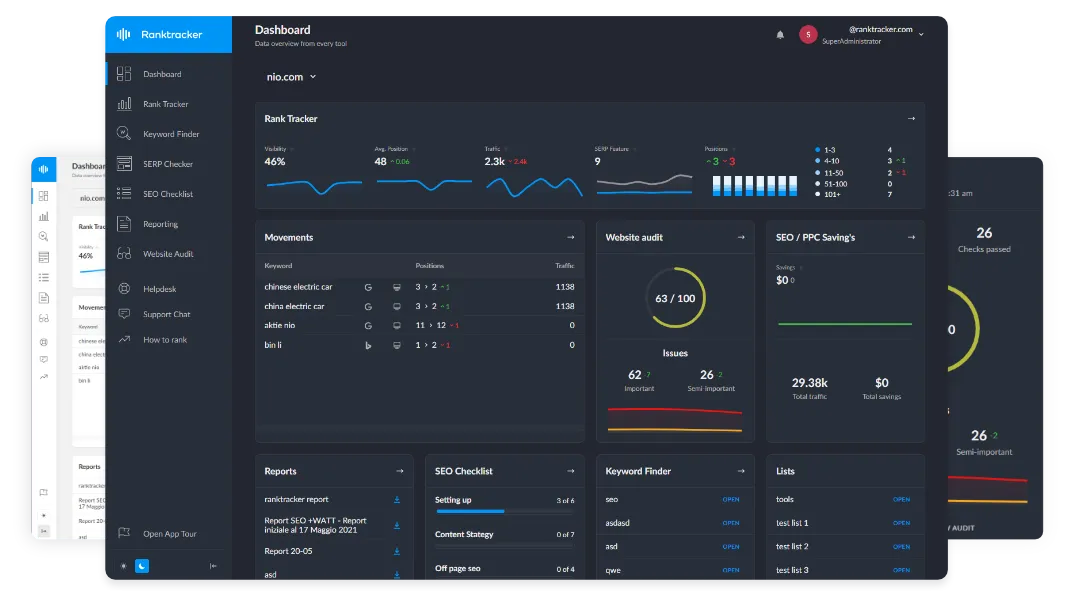
Behind every successful business is a strong SEO campaign. But with countless optimization tools and techniques out there to choose from, it can be hard to know where to start. Well, fear no more, cause I've got just the thing to help. Presenting the Ranktracker all-in-one platform for effective SEO
We have finally opened registration to Ranktracker absolutely free!
Create a free accountOr Sign in using your credentials
Beyond keywords, other fundamental strategies include on-page optimization and technical SEO. On-page optimization involves enhancing individual pages of your website to rank higher in search engines and attract more relevant traffic. This includes optimizing title tags, meta descriptions, headers, and images. Technical SEO focuses on improving the backend structure of your website, ensuring that it is fast, mobile-friendly, and easily crawlable by search engines.
Creating a comprehensive content strategy is equally important when implementing these foundational elements. This strategy should encompass various content types including destination guides, local attraction information, seasonal travel tips, and guest testimonials. Each piece of content should be carefully crafted to address specific guest queries while naturally incorporating relevant keywords. Additionally, maintaining a consistent publishing schedule helps establish your website as an authoritative resource in your niche. Search engines favor websites that regularly update their content with fresh, valuable information, which can lead to improved rankings and increased visibility among your target audience.
Link building represents another essential strategy that significantly impacts your website's authority and search rankings. Acquiring high-quality backlinks from reputable travel websites, local tourism boards, and industry publications signals to search engines that your content is valuable and trustworthy. Focus on building relationships with travel bloggers, destination marketing organizations, and complementary businesses in your area to create natural link-building opportunities. Guest posting on relevant industry blogs, participating in local business directories, and creating shareable infographics or research studies can all contribute to a robust backlink profile. Remember that quality always trumps quantity when it comes to link building—a few authoritative links from respected sources carry far more weight than numerous links from low-quality websites.
Optimizing Content to Engage and Convert Visitors
Content optimization is crucial for boosting search engine rankings and engaging visitors once they arrive on your site. Start by ensuring that all content is high-quality, informative, and relevant to your target audience. Engaging blog posts, detailed service descriptions, and captivating imagery can keep visitors interested and encourage longer stays on your site.
Another key technique involves using internal linking to guide visitors through different parts of your site. Internal links help distribute page authority throughout your website and provide users with additional information they might find useful. Additionally, ensuring that all content is optimized for specific keywords enhances its discoverability by search engines.
Visual content optimization should not be overlooked when developing your engagement strategy. High-quality images and videos of your property, rooms, amenities, and surrounding areas can significantly enhance user experience and increase conversion rates. However, these visual elements must be properly optimized with descriptive file names, alt text, and compressed file sizes to ensure they don't negatively impact page load speeds. Creating virtual tours or 360-degree room views can also set your property apart from competitors while providing potential guests with immersive experiences that build confidence in their booking decisions. Remember that well-optimized visual content can also appear in image search results, creating additional pathways for potential guests to discover your business.
User experience optimization plays a pivotal role in content engagement and conversion rates. Beyond the content itself, factors such as page layout, readability, and navigation structure significantly influence how visitors interact with your website. Implement clear call-to-action buttons that guide users toward booking, use whitespace effectively to prevent overwhelming visitors with information, and ensure your content is scannable with subheadings, bullet points, and short paragraphs. Mobile optimization is particularly crucial, as a significant portion of travelers research and book accommodations on smartphones and tablets. A responsive design that adapts seamlessly to different screen sizes, combined with fast-loading pages and easy-to-tap buttons, creates a frictionless experience that encourages conversions and reduces abandonment rates.
Leveraging Local SEO to Attract Nearby Guests
Local SEO is particularly important for hospitality businesses looking to attract guests from nearby areas. One effective strategy involves creating a Google My Business listing, which allows you to manage how your business appears on Google Search and Maps. A well-optimized listing can enhance your visibility in local searches and provide potential guests with crucial information about your location.
The All-in-One Platform for Effective SEO
Behind every successful business is a strong SEO campaign. But with countless optimization tools and techniques out there to choose from, it can be hard to know where to start. Well, fear no more, cause I've got just the thing to help. Presenting the Ranktracker all-in-one platform for effective SEO
We have finally opened registration to Ranktracker absolutely free!
Create a free accountOr Sign in using your credentials
Other local SEO tactics include encouraging customer reviews and engaging with local travel blogs or directories. Positive reviews boost credibility and trust among potential guests while increasing the likelihood of appearing in local search results. Engaging with local platforms also helps build backlinks, which are a significant ranking factor in Google's algorithm.
Location-specific content creation serves as another powerful local SEO tactic for hospitality businesses. Developing detailed neighborhood guides, highlighting nearby attractions, restaurants, and transportation options demonstrates your expertise about the local area while targeting location-based search queries. Creating content around local events, festivals, and seasonal activities can attract guests planning trips around specific occasions. This hyperlocal approach not only improves your search visibility for location-specific queries but also provides genuine value to potential guests who are researching their destination. Additionally, ensuring your business information is consistent across all online directories and citation sources strengthens your local SEO signals and helps search engines verify your business's legitimacy and location.
Integrating SEO with Broader Marketing Strategies
Your digital marketing efforts should not exist in silos; integrating SEO with other strategies like social media marketing can amplify results. Social media platforms offer opportunities to share optimized content with broader audiences while also providing signals that contribute indirectly to SEO success.
Email marketing campaigns also benefit from integration with SEO strategies by sharing valuable content directly with subscribers who may then engage further with your website. This engagement can lead to increased traffic levels over time as well as higher conversion rates among those interested in booking accommodations or services offered by your business.
Analytics and performance tracking form the backbone of any integrated marketing approach. By monitoring key metrics such as organic traffic, bounce rates, conversion rates, and keyword rankings, you can identify which strategies are delivering results and where adjustments are needed. Tools like Google Analytics and Search Console provide invaluable insights into user behavior and search performance, enabling data-driven decision making. Regular analysis of this data allows you to refine your SEO tactics, optimize underperforming content, and capitalize on successful strategies. Furthermore, tracking the customer journey from initial search query through to booking completion helps you understand which touchpoints are most influential in the conversion process, allowing you to allocate resources more effectively across your integrated marketing channels.