Intro
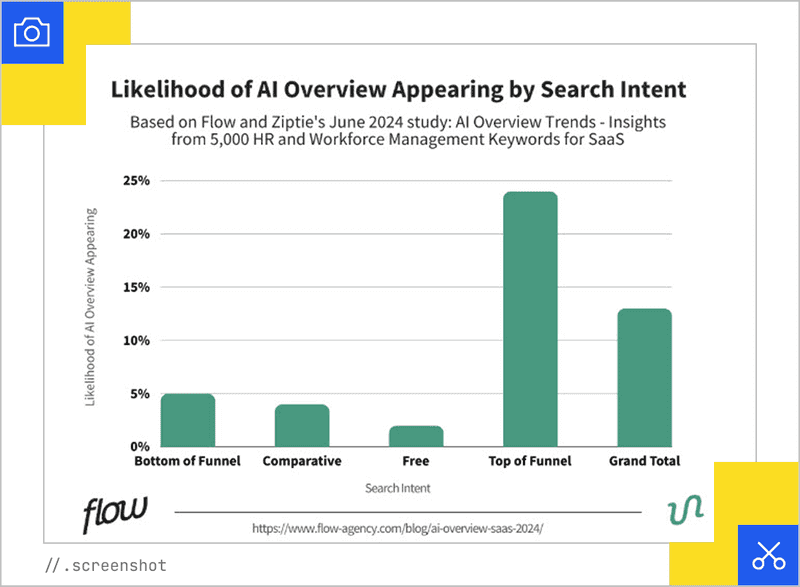
Search intent has always been the foundation of SEO. Informational, navigational, transactional — understand the intent, match the content, win the click.
AI Overviews are changing that relationship.
By generating direct answers at the top of results, Google is no longer just matching intent. It is actively reshaping it. Users are getting partial or complete answers instantly, which alters what they expect, how they search next, and whether they click at all.
Understanding this shift is now critical for anyone serious about search visibility.
What AI Overviews Actually Do to Intent
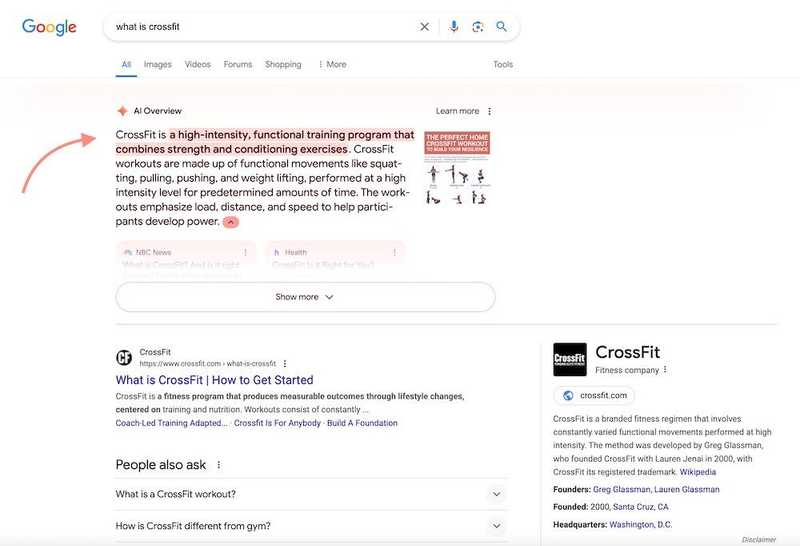
AI Overviews don’t simply summarize pages. They intercept intent.
The All-in-One Platform for Effective SEO
Behind every successful business is a strong SEO campaign. But with countless optimization tools and techniques out there to choose from, it can be hard to know where to start. Well, fear no more, cause I've got just the thing to help. Presenting the Ranktracker all-in-one platform for effective SEO
We have finally opened registration to Ranktracker absolutely free!
Create a free accountOr Sign in using your credentials
For many queries, the user’s original goal is satisfied immediately:
- “What is technical SEO?”
- “How does local SEO work?”
- “Best time to post on LinkedIn”
In these cases, the intent resolves without a visit. The user doesn’t abandon search — they advance within it.
This is driven by how Google is competing directly with conversational tools like ChatGPT and research-first platforms such as Perplexity.
The SERP is no longer a doorway. It’s the destination.
The New Intent Layers Created by AI Overviews
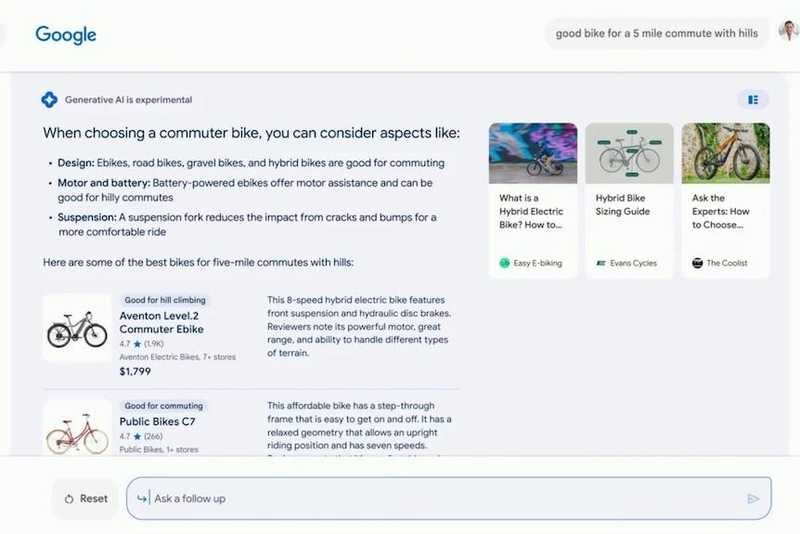
AI Overviews create intent layering — a sequence of micro-intents rather than a single action.
1. Resolution Intent
The first intent is simple understanding: “What does this mean?” “How does this work?”
AI Overviews often fully satisfy this layer.
2. Validation Intent
Once the summary is read, users ask: “Is this accurate?” “Can I trust this?”
This is where brand recognition and authority matter.
3. Application Intent
If the topic matters, the next step becomes: “How do I apply this?” “What should I do next?” “Which option is best for me?”
The All-in-One Platform for Effective SEO
Behind every successful business is a strong SEO campaign. But with countless optimization tools and techniques out there to choose from, it can be hard to know where to start. Well, fear no more, cause I've got just the thing to help. Presenting the Ranktracker all-in-one platform for effective SEO
We have finally opened registration to Ranktracker absolutely free!
Create a free accountOr Sign in using your credentials
Clicks now occur later — not because SEO failed, but because intent matured.
Why Informational Keywords Are Changing Value

Traditional SEO treated informational keywords as traffic drivers. AI Overviews turn them into visibility drivers instead.
Ranking for an informational query now often results in:
- High impressions
- Lower CTR
- Strong brand exposure
This doesn’t make them useless. It changes their role.
Informational content now feeds:
- Brand recall
- Trust signals
- Future navigational and commercial searches
SEOs who judge these pages only by traffic will undervalue them.
Commercial Intent Is Moving Downstream
AI Overviews rarely complete commercial intent. They set the stage for it.
Users still need:
- Comparisons
- Reviews
- Pricing
- Use cases
- Real-world proof
This means transactional and comparison content is becoming more valuable, not less.
The path simply looks different: Informational query → AI Overview → follow-up query → click.
This is why aligning content across the full intent lifecycle matters more than ever.
How AI Overviews Affect Keyword Research
Keyword research can no longer be done in isolation.
Instead of asking: “What keywords can we rank for?”
The All-in-One Platform for Effective SEO
Behind every successful business is a strong SEO campaign. But with countless optimization tools and techniques out there to choose from, it can be hard to know where to start. Well, fear no more, cause I've got just the thing to help. Presenting the Ranktracker all-in-one platform for effective SEO
We have finally opened registration to Ranktracker absolutely free!
Create a free accountOr Sign in using your credentials
Teams must ask:
- Which queries trigger AI Overviews?
- Which queries lead to follow-up searches?
- Where does the click actually happen?
This requires observing:
- Query chains
- SERP feature presence
- Brand visibility across multiple queries
Modern SEO platforms like Ranktracker help surface these patterns by tracking rankings alongside SERP features, visibility, and market-level behavior.
Content Strategy in an AI-Overview World
Winning content strategies now follow three principles:
1. Be the Best Definition
If your content clearly explains a concept, it has a chance to influence AI summaries — even without clicks.
2. Own the Next Question
Your site should be the best destination for what comes after the AI Overview:
- Deep dives
- Comparisons
- Implementation guides
3. Reinforce Brand Trust
Consistent terminology, clean explanations, and topical depth increase the likelihood that users choose you when they do click.
AI Overviews filter curiosity. They don’t eliminate demand.
Measuring Intent Shifts Correctly
To understand how AI Overviews reshape intent, teams should track:
- Impressions vs clicks by query type
- Brand search growth over time
- Assisted conversions
- Visibility in SERP features
- Topic-level performance
Traffic alone no longer explains user behavior.
Search Intent Is No Longer Static
The biggest mistake in modern SEO is treating intent as fixed.
AI Overviews make intent dynamic:
- It evolves inside the SERP
- It matures before the click
- It favors trusted brands
SEO strategies that adapt to this reality don’t fight AI Overviews — they leverage them.
The future of search intent isn’t about winning the first click. It’s about being present at every stage that follows.