Intro
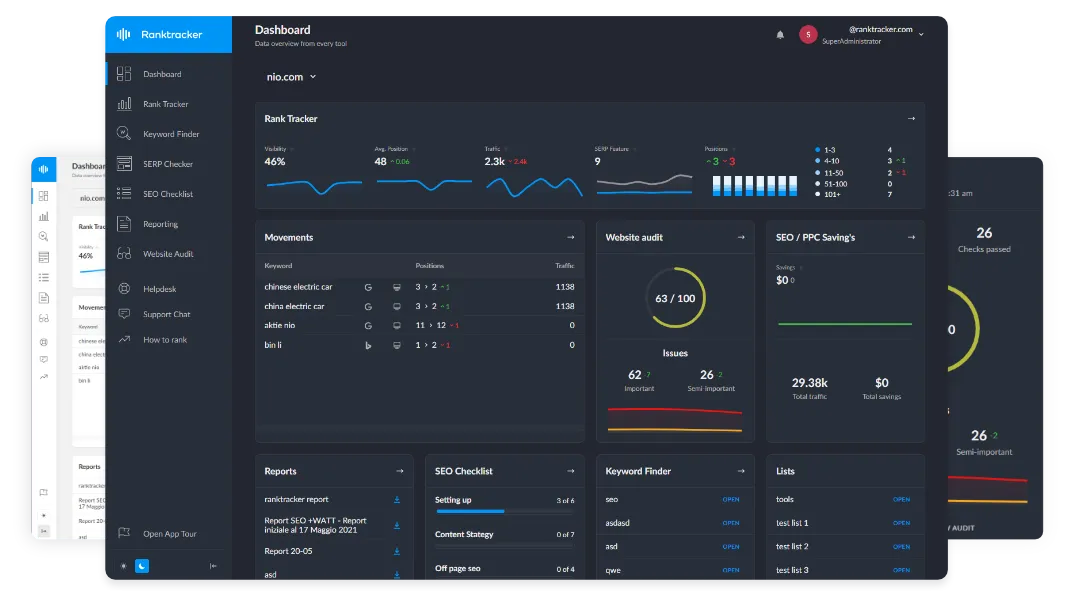
SEO has shifted from a ranking-focused discipline into a system that evaluates how users interact with content after they arrive, which means that visibility alone no longer guarantees performance. Platforms similar to Ranktracker provide detailed insights into keyword positions, backlinks, and competition, yet decision-makers increasingly recognize that rankings must be supported by engagement metrics such as session duration, interaction depth, and return visits.
Search engines prioritize signals that indicate value, and those signals are derived from user behavior rather than static optimization. This creates a new requirement for SEO strategies to account for how users move through content, how quickly they find value, and whether they continue interacting with the platform.
Professionals must therefore design SEO systems that align with real user behavior, ensuring that content does not only attract clicks but also sustains attention.
How Real-Time Interaction Patterns Influence SEO Performance
Real-time interaction patterns shape how users engage with content and influence the behavioral signals that search engines use to evaluate quality. When users interact with content immediately and continue exploring, platforms benefit from improved dwell time, lower bounce rates, and stronger engagement signals.
A relevant example can be observed in systems built around online instant games, where the structure prioritizes immediate access, fast interaction, and continuous feedback. These environments reduce the time between user intent and outcome, allowing users to remain engaged without interruption. The categorization of experiences, the clarity of entry points, and the speed of response all contribute to sustained user activity. For SEO professionals, this demonstrates how reducing latency and simplifying interaction pathways can directly improve engagement metrics that influence rankings.
Immediate Value Delivery and Its Impact on Dwell Time
Users evaluate content within seconds, which means that delivering immediate value is critical for retaining attention. Content that quickly addresses user intent encourages deeper exploration and longer sessions.
This behavior signals relevance to search engines.
Interaction Depth as a Ranking Signal
Interaction depth reflects how users move beyond the initial page, exploring related content and engaging with multiple elements. Higher interaction depth indicates that users find value within the platform, which strengthens overall SEO performance.
Internal linking and content structure play key roles in enabling this behavior.
Reducing Friction to Improve User Flow
Friction disrupts engagement by creating obstacles that prevent users from accessing content or interacting with features. Reducing friction ensures that users can move smoothly through the platform, increasing both satisfaction and retention.
The All-in-One Platform for Effective SEO
Behind every successful business is a strong SEO campaign. But with countless optimization tools and techniques out there to choose from, it can be hard to know where to start. Well, fear no more, cause I've got just the thing to help. Presenting the Ranktracker all-in-one platform for effective SEO
We have finally opened registration to Ranktracker absolutely free!
Create a free accountOr Sign in using your credentials
Optimizing loading speed, navigation, and content clarity supports this goal.
Designing SEO Systems That Drive Engagement, Retention, and Rankings
Building an effective SEO system requires integrating content, structure, and data into a cohesive framework that supports user engagement. This approach ensures that each element of the platform contributes to both visibility and performance.
Structuring Content for Continuous Engagement
Content should be organized to guide users through a logical flow, encouraging them to explore additional pages and interact with different types of content. This structure increases session depth and strengthens engagement signals.
Clear pathways improve user experience.
Leveraging Data for Strategic Optimization
Data analysis provides insights into how users interact with content, enabling professionals to refine their strategies and improve performance over time.
- analyze user behavior across different entry points
- identify content that drives the highest engagement
- measure the impact of changes on user interaction
- refine strategies based on measurable outcomes
This process ensures continuous improvement.
Building Multi-Layer Content Ecosystems
Platforms should offer multiple layers of content to address different user needs, ensuring that both quick answers and in-depth insights are available within the same ecosystem.
- concise content for immediate answers
- detailed guides for deeper understanding
- interactive elements that encourage participation
- related content that supports further exploration
This layered approach increases engagement.
Aligning SEO With User Intent and Behavior
SEO strategies must align with user intent, ensuring that content matches what users expect to find when they click on a search result. This alignment improves both satisfaction and engagement, which supports better rankings.
Understanding intent is critical.
Balancing Optimization and User Experience
While technical optimization remains important, user experience must be prioritized to ensure that content is accessible, engaging, and valuable. Balancing these elements creates a more effective SEO system.
User-focused design enhances performance.
The Strategic Value of Engagement-Driven SEO
Engagement-driven SEO provides a competitive advantage by improving both rankings and user satisfaction, which leads to stronger long-term performance.
Increasing Retention Through Better Experience
Retention reflects how often users return to the platform, which indicates long-term value and strengthens brand positioning.
Driving Sustainable Growth With Engagement Metrics
Higher engagement leads to more consistent traffic and better conversion opportunities, supporting sustainable growth.
Strategic Implications for Decision-Makers
Decision-makers must adopt a holistic approach to SEO that integrates content, interaction, and data, ensuring that each component contributes to overall performance.
Prioritizing High-Impact Improvements
Not all improvements deliver equal value, which means that decision-makers should focus on changes that directly affect user flow and decision-making, including navigation, onboarding, and key interaction points that shape the user experience.
Building Adaptive and Scalable Systems
Adaptive systems allow organizations to respond to changes in user behavior, while scalable systems ensure that growth does not compromise performance or usability.
Conclusion
The evolution of SEO from rankings to engagement reflects a broader shift in how digital platforms are evaluated, where user behavior plays a central role in determining success. Platforms that align their SEO strategies with real-time interaction patterns and user expectations can achieve stronger performance across both rankings and retention.
For professionals and decision-makers, the key insight is that SEO is no longer a standalone function but part of a larger system that integrates content, interaction, and data. Platforms that embrace this approach will be better positioned to attract, engage, and retain users in a competitive digital environment.