Intro
Technology is moving faster than ever, and today’s leaders are discovering that automation is no longer a nice-to-have. It is the engine that keeps companies growing even when budgets stay tight. Across industries, teams are learning that automated workflows cut waste, reduce mistakes, and unlock more time for big-picture thinking. What makes this shift exciting is that automation is no longer limited to large enterprises. Startups, service providers, and digital brands are now using the same tools to expand faster, serve customers better, and build systems that scale long before they hire large teams.
When used with intention, automation becomes more than a shortcut. It becomes a strategy. Many companies start with simple process improvements such as auto tagging, triggered alerts, or AI-powered templates. Over time these steps allow teams to make decisions sooner and respond to customers with greater accuracy. Even small adjustments like routing tasks automatically or collecting data in real time can have a major impact. Leaders who adopt these tools early learn to grow without burnout. They can move resources where they matter most and avoid the slowdowns that come from repetitive manual work.
Automation is also changing how companies design their products. Instead of building tools that require human input at every step, more businesses now focus on systems that learn as they run. This shift leads to stronger results because the tools keep improving without added labor. It also gives leaders the chance to redirect talent toward innovation. People who once spent hours on admin work now use their time to refine customer experiences, test new markets, or explore creative ideas. These changes show how important it is for teams to think about both the cost savings and the new opportunities that automation creates.
The biggest benefit of automation is how it removes friction. Every company faces the same challenge of doing more with less. Automated tools make it possible to take on high volume without sacrificing quality. They help teams stay consistent even when demand grows quickly. This creates a steady foundation for long-term growth. Many tech leaders say that automation not only cuts expenses but also builds confidence in their operations. When systems run smoothly, decision makers have clearer insight into what their company needs next. And as we see from today’s industry voices, automation continues to reshape what is possible for businesses of all sizes.
How Leaders Apply Automation in Real Life
One example comes from Dan Tabaran, Founder and CEO of dynares, who sees automation as a major part of high-performance marketing. He explains how structured systems helped his team scale paid acquisition more efficiently. “I learned early that automation is the only way to remove wasted spend at scale. When we built dynares, we designed workflows that adjust campaigns automatically instead of waiting for human review. This freed our team to focus on strategy instead of dashboards. We grew faster because our decisions became both quicker and more accurate.” His experience shows how automation can reshape revenue engines from the inside out.
Another powerful example comes from Nick Rogers, Founder of ReelRecall.ai, who built his entire product around the need for better organization. He said: “I created ReelRecall after spending hours trying to find one saved TikTok. It taught me that people save content with real intent, but they need automation to make it usable. Our system now groups and surfaces their videos automatically. I saw how much value we unlocked once people no longer had to dig through thousands of files.” This illustrates how automation reveals patterns we would otherwise miss.
In industries centered around relationships, leaders are also embracing smart systems. Lisa Templeton, Senior Director at Heartthrob, shared how automation supports emotional connection at scale. “We built Heartthrob for meaningful experiences, not surface-level engagement. Automation helps us give consistent personalities, stable memory, and better conversations for our users. It lets us keep each interaction warm and human even as we grow. For us, automation isn’t about replacing people but enhancing real connection.” Her lesson shows that automation and empathy can work together rather than compete.
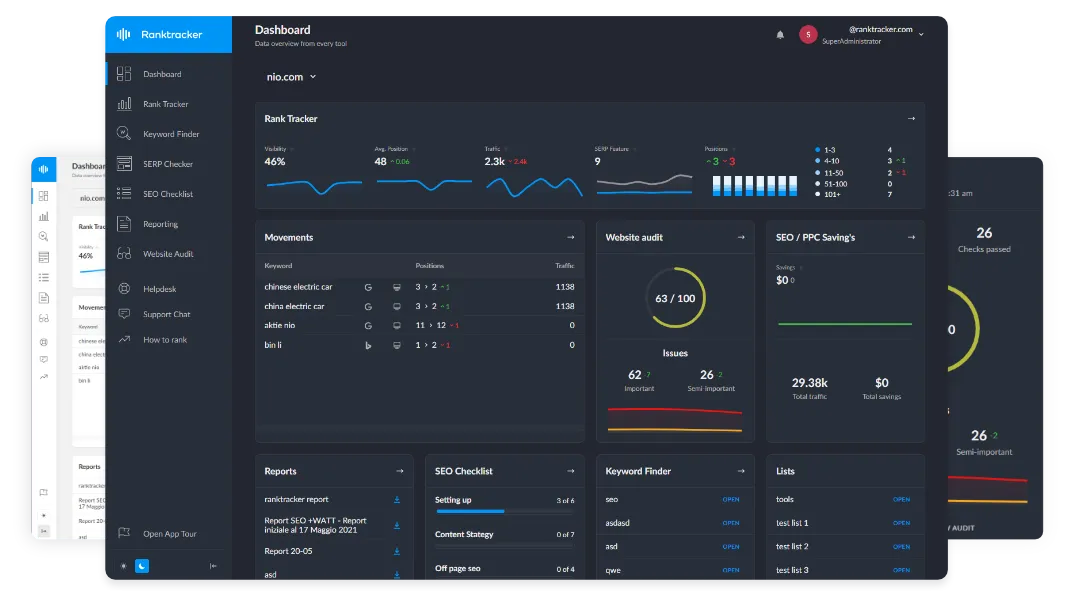
The All-in-One Platform for Effective SEO
Behind every successful business is a strong SEO campaign. But with countless optimization tools and techniques out there to choose from, it can be hard to know where to start. Well, fear no more, cause I've got just the thing to help. Presenting the Ranktracker all-in-one platform for effective SEO
We have finally opened registration to Ranktracker absolutely free!
Create a free accountOr Sign in using your credentials
A different angle comes from Ibrahim Alnabelsi, VP of Prezlab, who has helped scale his company from 3 to 130 team members. “We learned to treat automation as a way to protect our creativity. By removing repetitive tasks, we gave designers and strategists space to think. This led to better client work and smoother delivery. Automation turned our workflow into something that grows without losing quality.” His experience proves that smart systems can strengthen both productivity and brand identity.
Why Automation Helps Companies Scale Faster
When these stories come together, a common idea appears. Automation is not only about lowering expenses. It is about turning your business into a system that runs with precision. A company that automates early builds habits that last. Decision makers start thinking in terms of workflows instead of tasks. They look for ways to simplify before they scale. This makes them more resilient during growth because their operations do not break under stress. Their teams also feel more control because fewer things fall through the cracks.
There is also a motivational aspect to automation. Leaders who automate well tend to become more confident. Their actions come from data rather than guesswork. They can react faster because they have clearer visibility. This boosts momentum across departments. Sales teams move quicker. Marketing teams test more ideas. Product teams spend more time innovating. When people see progress every day, they stay engaged and energized. That energy becomes a powerful force that pushes the company forward.
Automation also teaches leaders to prioritize. Not every task deserves human attention. By removing the repetitive work, businesses highlight what truly matters: customer experience, innovation, and long-term strategy. Leaders who learn this lesson early build companies that adapt well to new technology. They evaluate tools faster. They experiment more. They avoid the trap of growing teams too quickly. Instead, they scale with intention and clarity.
Conclusion: Automation Is the New Advantage
The shift toward automation is more than a trend. It is a structural change in how businesses operate. Companies that use automation wisely find themselves saving time, improving accuracy, and strengthening their teams. They scale faster because they build systems that support growth rather than slow it down. The stories shared by today’s leaders show that automation is not about replacing people. It is about helping people perform at their best.
As technology continues to evolve, the companies that thrive will be the ones that use automation to stay focused, creative, and prepared for the future. The next wave of innovation will not come from working harder but from working smarter. And automation is the tool that helps every leader take that next step.