Intro

Supplements and vitamins sit in one of the most scrutinised zones of search.
They are not prescription medicine — but they influence:
- Health decisions
- Nutrient intake
- Chronic condition management
- Consumer expectations about outcomes
Because of this, Google treats supplements as health-adjacent YMYL. AI Overviews are now the primary mechanism Google uses to limit overclaims, reduce harm, and standardise how supplements are explained.
Google is no longer just ranking product pages, ingredient blogs, or “best supplement” lists. It is summarising what supplements can and cannot do, who should be cautious, and where evidence is limited — directly in the SERP.
For supplement and vitamin brands, this is not a CRO or content-volume problem. It is a credibility, restraint, and compliance filter.
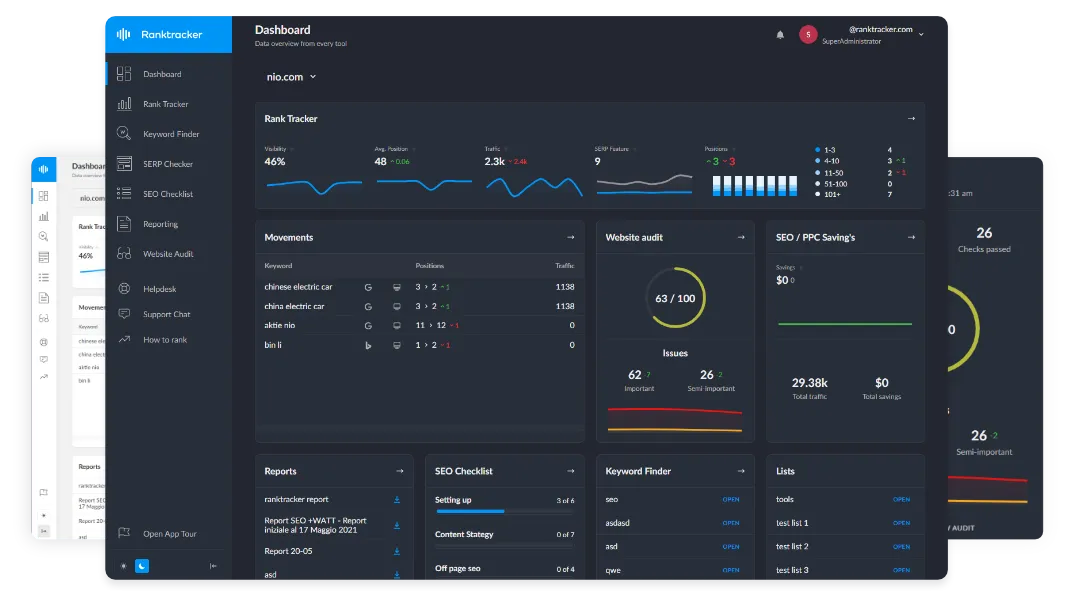
This article is part of Ranktracker’s AI Overviews series and goes deep into how AI Overviews affect supplement and vitamin brands, how consumer behaviour changes, how Google evaluates safety and evidence, what content influences AI summaries, and how brands can remain visible without triggering suppression.
1. Why AI Overviews Hit Supplements Harder Than Most Ecommerce Categories
Supplements are historically one of the most abused content categories in search.
The All-in-One Platform for Effective SEO
Behind every successful business is a strong SEO campaign. But with countless optimization tools and techniques out there to choose from, it can be hard to know where to start. Well, fear no more, cause I've got just the thing to help. Presenting the Ranktracker all-in-one platform for effective SEO
We have finally opened registration to Ranktracker absolutely free!
Create a free accountOr Sign in using your credentials
Google has extensive data showing:
- Exaggerated benefit claims
- Pseudo-clinical language
- Affiliate-driven misinformation
- Consumers self-treating conditions
AI Overviews are designed to actively neutralise these patterns.
Supplement Queries Commonly Trigger AI Overviews
Examples include:
- “Do vitamins actually work?”
- “Is magnesium safe daily?”
- “Can supplements boost immunity?”
- “Best supplements for energy”
- “Are supplements regulated?”
These searches used to send traffic directly to:
- Product pages
- Influencer reviews
- Comparison blogs
Now, Google often responds with a cautious, evidence-aware AI summary that:
- Emphasises variability
- Notes limited evidence
- Highlights safety considerations
If your content conflicts with that framing, your visibility collapses, even if rankings remain.
AI Overviews Replace Marketing Narratives With Evidence Framing
Supplement brands historically rely on:
- Benefits-first copy
- Before/after framing
- Simplified mechanisms
AI Overviews replace this with:
- “Evidence is mixed”
- “May help in specific deficiencies”
- “Not a substitute for medical care”
Brands that cannot adapt to this language lose trust.
2. How AI Overviews Reshape the Supplement Buyer Journey
AI Overviews dramatically change why people buy supplements.
Awareness → Evidence & Safety Framing
AI Overviews define:
- That many people don’t need supplements
- That benefits depend on deficiency and context
- That excessive intake can be harmful
- That diet and medical advice matter
This happens before a product page is even seen.
Comparison → Credibility Filtering
Instead of asking:
- “Which supplement is best?”
Users increasingly ask:
- “Is this necessary?”
- “Is this safe long-term?”
- “Is this evidence-based?”
Brands that sound more confident than Google lose trust immediately.
Conversion → Validation, Not Persuasion
When users do click:
- They expect nuance
- They expect safety guidance
- They expect limits to be acknowledged
Aggressive claims or “miracle” language create friction and abandonment.
3. The Supplements SEO Attribution Illusion
Supplement brands often notice:
- Lower organic traffic
- Fewer impulse purchases
- Higher repeat buyers
- Reduced refund and complaint rates
This feels like a loss.
Your content may:
- Shape AI summaries
- Pre-educate buyers
- Filter out unnecessary or risky use
But analytics say:
“Organic traffic is down”
In reality:
SEO is qualifying who should be buying at all.
AI Overviews create appropriateness-qualified demand.
4. How Google Chooses Sources for Supplement & Vitamin AI Overviews
The All-in-One Platform for Effective SEO
Behind every successful business is a strong SEO campaign. But with countless optimization tools and techniques out there to choose from, it can be hard to know where to start. Well, fear no more, cause I've got just the thing to help. Presenting the Ranktracker all-in-one platform for effective SEO
We have finally opened registration to Ranktracker absolutely free!
Create a free accountOr Sign in using your credentials
Google applies health-adjacent evidence heuristics.
4.1 Safety and Limitations Are Mandatory
AI Overviews favour content that:
- Mentions upper intake risks
- Acknowledges side effects
- Avoids guaranteed outcomes
- Uses “may” and “can” language appropriately
Absence of risk discussion reduces trust.
4.2 Evidence Framing Beats Claims
AI distrusts:
- “Clinically proven” without context
- Cherry-picked studies
- Oversimplified mechanisms
Balanced evidence discussion wins.
4.3 Clear Separation Between Nutrition and Medicine
AI penalises:
- Disease treatment framing
- Diagnostic language
- Prescription-adjacent claims
Educational nutrition framing is required.
4.4 Entity-Level Trust Overrides Page SEO
Supplement brands are evaluated as health influence entities, not retailers.
Signals include:
- Brand history
- Consistency across site content
- Absence of regulatory issues
- External mentions and reviews
One misleading article can suppress AI visibility across the domain.
5. The Strategic Shift for Supplements & Vitamins SEO
Old Supplement SEO
- Rank “best supplement” keywords
- Push benefit-heavy product pages
- Monetise via urgency
- Scale influencer content
AI-First Supplement SEO
- Educate cautiously
- Lead with suitability and safety
- Emphasise context and variability
- Become a source Google feels safe summarising
If Google doesn’t feel safe explaining supplements using your content, it won’t explain your brand at all.
6. Content Types That Influence AI Overviews for Supplements
6.1 Foundational Nutrition Education
Examples:
- “What vitamins actually do”
- “How nutrient deficiencies are identified”
- “Diet vs supplementation”
These shape AI’s baseline explanations.
6.2 Safety & Dosage Awareness Content
AI Overviews pull from content explaining:
- Upper intake limits
- Interactions
- Who should avoid certain supplements
Safety increases trust.
6.3 “Who This Supplement Is (and Isn’t) For”
AI trusts content that explains:
- Appropriate use cases
- Situations where supplementation is unnecessary
- Lifestyle and dietary factors
Absolutes are downgraded.
6.4 Regulation & Quality Transparency Pages
Explaining:
- Manufacturing standards
- Testing practices
- Regulatory differences by country
Aligns with Google’s harm-reduction goals.
7. How to Structure Supplement Content for AI Overviews
Lead With Context and Limitations
Product and guide pages should open with:
- What the supplement supports
- Who may benefit
- Who should be cautious
- What it does not replace
AI extracts early content aggressively.
Use Conditional, Evidence-Aware Language
Phrases like:
- “May support”
- “Evidence suggests”
- “Depends on individual needs”
- “Consult a healthcare professional if unsure”
Increase AI trust significantly.
Centralise Definitions and Claims
Winning brands:
- Use consistent terminology
- Avoid conflicting claims across pages
- Align blogs, product copy, and FAQs
AI punishes inconsistency quietly but decisively.
8. Measuring Supplement SEO Success in an AI Overview World
Traffic alone is misleading.
Supplement brands should track:
- AI Overview inclusion
- Repeat purchase rate
- Customer education indicators
- Reduced adverse feedback
- Long-term brand trust signals
SEO becomes consumer education infrastructure, not traffic generation.
9. Why AI Overview Tracking Matters for Supplement Brands
Without AI Overview tracking, brands lose visibility into how Google frames their products.
You won’t know:
- If your supplements are considered safe to reference
- Which competitors are trusted more
- When claims become risky
- Where content needs softening
This is where Ranktracker becomes essential.
Ranktracker allows supplement brands to:
- Track AI Overviews per supplement keyword
- Monitor desktop and mobile AI summaries
- Compare AI visibility with Top 100 rankings
- Detect trust erosion before revenue impact
You cannot manage modern supplement SEO without AI-layer awareness.
10. Conclusion: AI Overviews Decide Which Supplement Claims Are Safe to Amplify
AI Overviews do not kill supplement brands. They remove irresponsible supplement marketing.
In an AI-first supplement SERP:
- Safety beats persuasion
- Context beats claims
- Consistency beats hype
- Trust beats rankings
Supplement and vitamin brands that adapt will:
- Maintain long-term visibility
- Reduce regulatory and reputational risk
- Build more loyal customers
- Shape how supplementation is understood responsibly
The supplement SEO question has changed.
It is no longer:
The All-in-One Platform for Effective SEO
Behind every successful business is a strong SEO campaign. But with countless optimization tools and techniques out there to choose from, it can be hard to know where to start. Well, fear no more, cause I've got just the thing to help. Presenting the Ranktracker all-in-one platform for effective SEO
We have finally opened registration to Ranktracker absolutely free!
Create a free accountOr Sign in using your credentials
“How do we rank supplement keywords?”
It is now:
“Does Google trust us enough to explain supplements without putting users at risk?”
Brands that earn that trust define the future of responsible nutrition discovery.